Cotton Club



December 4
The Cotton Club — one of the most iconic nightclubs of the 20th century — opened its doors on December 4, 1923 in the heart of Harlem, New York City.
Founded by boxing champion Jack Johnson and later taken over by gangster Owney Madden, the club quickly became a centerpiece of Harlem’s vibrant nightlife during the Prohibition era. Despite its location in a predominantly Black neighborhood and featuring Black performers, the club was initially restricted to white patrons, reflecting the deeply segregated nature of American society at the time. Nonetheless, the Cotton Club thrived, becoming synonymous with jazz, glamour, and cultural tension.
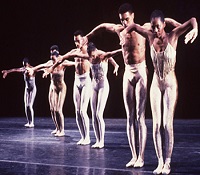
At the height of the Harlem Renaissance, the Cotton Club became a showcase for some of the most talented African American musicians, dancers, and entertainers in the country. Duke Ellington rose to national fame as the club’s house bandleader from 1927 to 1931, his sophisticated compositions and arrangements transmitted across the country through live radio broadcasts.
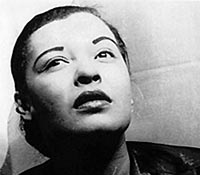
Other legends such as Cab Calloway, Lena Horne, Ethel Waters, and Louis Armstrong also graced the stage, helping to shape the development of jazz and popular music in America. The venue also featured other popular black entertainers, including Fletcher Henderson, Jimmie Lunceford, Chick Webb, Count Basie, Fats Waller, Willie Bryant, Adelaide Hall, Bessie Smith, Lillie Delk Christian, Aida Ward, Avon Long, Dandridge Sisters, Mills Brothers, Billie Holiday, Katherine Dunham, Bill Bojangles Robinson, Nicholas Brothers, Charles Honi Coles, Leonard Reed, Stepin Fetchit, Berry Brothers, Four Step Brothers, Jeni Le Gon, Earl Snakehips Tucker, just to name a few. Their performances — often infused with energy and innovation— helped redefine American musical standards.
The irony of the Cotton Club’s racial exclusivity was not lost on its performers or the broader African American community. While the stage was filled with Black talent, the audience was almost exclusively white, a contradiction that mirrored broader racial inequalities in American culture.
Performers were sometimes required to adhere to degrading stereotypes in their stage acts, a stark reminder of the racism embedded within even celebrated cultural spaces. Yet, within those constraints, artists managed to push creative boundaries, influencing music, dance, and style in profound ways.
The club’s evolution over time reflects larger shifts in American society. It closed its original Harlem location in 1936 and moved to midtown Manhattan, where it operated until 1940. The new venue was less segregated and attracted a more diverse audience, signaling gradual, if limited, progress in racial integration.
Though it eventually closed, the Cotton Club left a legacy that continued to shape entertainment venues and performance traditions for decades. Its story became a symbol of both the possibilities and limitations of Black artistry in a racially divided nation.
The Cotton Club’s impact on American culture is undeniable. It served as a crucial platform for the dissemination of jazz, helping to propel the genre from local dance halls to national prominence. Its performers brought African American artistic traditions into the mainstream, influencing everything from Broadway musicals to Hollywood films. The club also played a role in making Harlem an international symbol of Black cultural achievement, even as it exposed the contradictions of racial segregation in the arts.
In retrospect, the Cotton Club stands as a complex but significant chapter in American history. It exemplifies how creativity and brilliance can emerge even under conditions of inequality and exclusion. The artists who passed through its doors left an indelible mark on American music, performance, and identity.
While it cannot be celebrated without acknowledging its racially fraught policies, the Cotton Club remains a powerful reminder of how art can transcend boundaries, challenge norms, and inspire change.