

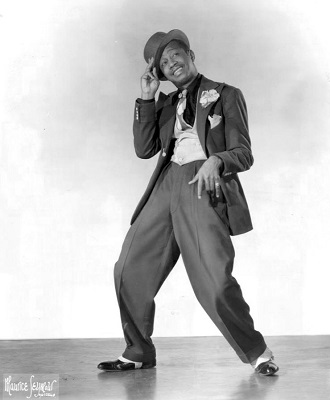
Avon Long

June 18 …
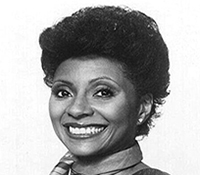
Avon Long was an American film, television, stage, and Broadway actor and singer who was originally cast to play George Jefferson in All in the Family.
Born on June 18, 1920 in Hattiesburg, MS, Long emerged as one of the most esteemed African American stage actors of the 20th century. Growing up in the segregated South, he was inspired by church choirs, touring musical revues, and the rich tradition of Black storytelling, which ignited his passion for music and performance.
Long’s journey took him north, where the lingering influence of the Harlem Renaissance and the vibrant cultural scene in New York City fueled his artistic ambitions. These formative experiences nurtured his vocal talent and strengthened his resolve to pursue a professional theater career at a time when opportunities for Black performers were severely restricted.
His early work in musical theater refined his ability to seamlessly combine acting, singing, and emotional restraint — hallmarks of his performances. Long’s professionalism and quiet authority earned him respect in rehearsal spaces that were often less than welcoming to performers of color.
In 1933, Long was featured at Harlem’s Cotton Club in a production of Hot Chocolates. He and Lena Horne co-introduced a composition in Cotton Club Parade in 1934 when Horne was only 16 years old. And in 1942, he performed in a number of Broadway shows.
Long’s career took off in the 1940s, amidst a generation of performers challenging racial barriers on Broadway and through national tours. He drew inspiration from pioneering Black artists who showcased that excellence and discipline could break down obstacles, learning from directors, composers, and fellow actors who prioritized craft over spectacle.
He is most renowned for his enduring association with George Gershwin’s Porgy and Bess, where he portrayed the character of Sportin’ Life for decades across Broadway productions, revivals, and international tours. Long infused the role with nuance and depth, resisting stereotypes in favor of psychological complexity and musical precision. His interpretation became a definitive portrayal for many and influenced generations of actors who followed.
Beyond Porgy and Bess, Long featured in productions such as Show Boat, Lost in the Stars, and My Darlin’ Aida, playing a crucial role in the gradual, but meaningful expansion of serious roles for Black performers on the American stage.
Throughout his illustrious career, Long shared the stage with notable contemporaries, including Cab Calloway, Etta Moten, Canada Lee, and William Warfield. He was part of a generation of artists who balanced their craft with a sense of activism, whether overt or subtle, by demanding dignity and excellence in their work.
While he was not particularly known for public protest, his unwavering professionalism and refusal to accept degrading portrayals served as a form of cultural resistance. Younger actors often looked to him as a model for navigating a challenging industry with integrity.
In addition to his stage work, Long made notable appearances in film and television, extending his influence beyond the theater and introducing a wider audience to classically trained Black performers. His remarkable longevity in the industry spanned eras of significant change in American entertainment.
Over time, he received accolades from theater organizations and cultural institutions that recognized both his artistic contributions and his role in advancing opportunities for African American actors. His performances were celebrated for their musical intelligence, emotional depth, and respect for the material.
Long died on November 18, 2003, leaving behind a legacy rooted in craftsmanship, perseverance, and cultural significance. Though he never sought fame, his work redefined the landscape for Black performers in American theater. By inhabiting complex characters with discipline and humanity, Long contributed to a broader transformation of American entertainment and cultural history.
The career of Avon Long serves as a testament to the idea that progress is often driven by artists whose impact is measured not by celebrity, but by the standards they establish and the doors they help to open.
