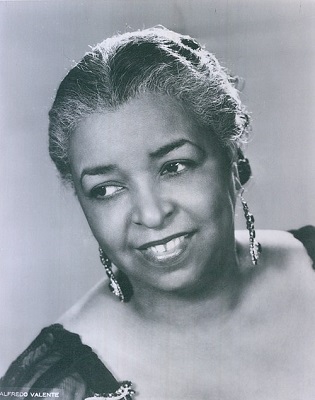
Ethel Waters
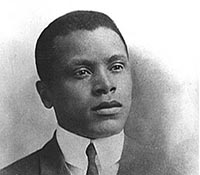
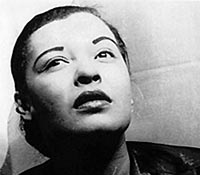

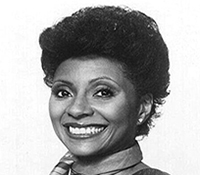

October 31 …
Ethel Waters rose from poverty and hardship to become one of the most influential performers in American entertainment history.
Born on October 31, 1896 in Chester, PA, Waters’ early life was marked by instability and struggle, but her natural talent and determination propelled her toward greatness. She began performing in small clubs as a teenager, captivating audiences with her warm, expressive voice and her ability to convey the deep emotional currents of the songs she sang. Her early experiences in vaudeville and the Black theater circuit helped shape her artistry, grounding her in the rich traditions of African American music while honing her stagecraft for a national audience.
By the 1920s, Waters had become a leading figure in the Harlem Renaissance, a period that saw African American art, literature, and music flourish. She gained fame performing blues and jazz numbers in Harlem’s legendary clubs, including the Cotton Club, where she became one of the first Black women to headline. Her renditions of songs like “Stormy Weather” and “Am I Blue?” became timeless classics, distinguished by her ability to blend vulnerability with strength. Her vocal style bridged the emotional storytelling of the blues with the sophistication of early jazz, influencing generations of singers who followed, including Billie Holiday, Ella Fitzgerald, and Lena Horne.
Waters’ success on stage naturally led her to Broadway, where she broke barriers as one of the first African American women to achieve mainstream stardom. Her performances in productions such as “As Thousands Cheer” (1933) and “Cabin in the Sky” (1940) brought her critical acclaim and demonstrated that Black actors could command leading roles with grace and complexity.
In 1936, Waters co-founded — with Fredi Washington, W.C. Handy, and Paul Robeson — the Negro Actors Guild of America. They named Bill Bojangles Robinson honorary president and elected Noble Sissle as the first president.
Waters was the first Black woman to integrate a Broadway production cast in a major role alongside white performers, a groundbreaking achievement that paved the way for greater inclusion in American theater. Through her presence and talent, Waters helped redefine the possibilities for African Americans on the stage.
Waters’ film career further expanded her cultural impact. She appeared in several landmark films, including Cabin in the Sky and Pinky, roles that showcased her dramatic range and dignity as an actress.
In Pinky, Waters portrayed Dicey Johnson, the grandmother of a young mixed-race woman navigating racial identity in the segregated South. It was a performance that earned her an Academy Award nomination, making her one of the first African American women to receive such recognition.
In addition to her work on stage and screen, Waters became a fixture in early American radio and later on television. Her role on the popular series Beulah made her one of the first Black women to star in a network television show, though she often expressed discomfort with the racial stereotypes embedded in her character.
Despite these challenges, Waters continued to break new ground, using her platform to advocate for better representation and more dignified roles for African Americans in entertainment. She defied the stereotypical roles that Hollywood typically offered to Black performers, insisting on portraying characters with emotional depth and humanity.
Later in life, Waters turned toward gospel music and spiritual performance. This brought her lifelong passion for music full circle and inspired audiences with her faith and sincerity.
Waters’ legacy reaches far beyond her extraordinary career as a singer and actress. She was a pioneer who transcended barriers of race and gender, transforming the landscape of American entertainment through sheer talent and perseverance. Her artistry bridged genres — blues, jazz, gospel, and popular music — and her performances helped to humanize Black experience for mainstream audiences.
By demanding respect for herself and her craft, Ethel Waters carved out space for generations of Black artists to follow. Her voice, both literal and symbolic, remains one of the most important in the story of American music, theater, and film — a voice that sang not only of sorrow and struggle, but of triumph and lasting beauty.