


May 18 …
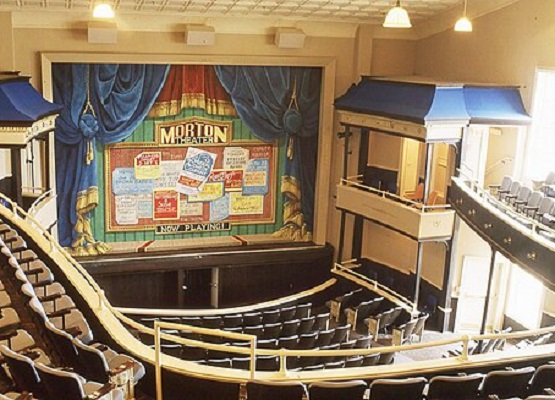
The Morton Theatre in Athens, GA is a historic landmark that has played a vital role in the development of African American culture, arts, and entertainment in the United States.
Opened on May 18, 1910, the Theatre is one of the oldest surviving vaudeville theaters in the nation, symbolizing African American entrepreneurship and resilience in an era of racial segregation. The venue hosted a diverse array of performances, ranging from vaudeville acts to jazz and blues concerts, leaving a significant mark on both the local community and the wider cultural landscape of America.
Founded by Monroe Bowers Morton, an enterprising African American businessman, the Theatre was created as a space for the Black community to celebrate their culture.

Morton Building, circa 1914 (photo courtesy of Hargrett Library; author unknown)
The tenants included the Ellington D. Harris Drug Company (the first African American owned drugstore in Athens), the practice of Dr. Blanche Thompson (the first black surgeon in Athens), the dental practice of Dr. Ida Mae Hiram (Georgia’s first licensed African American female dentist), and Dr. William H. Harris (one of the founders of the Georgia State Medical Association of Colored Physicians, Dentists and Druggists).
The Theatre quickly became a cornerstone of the Black community, attracting national performers and audience members. During its early years, the Theatre thrived as a hub for live performances — featuring renowned artists like Duke Ellington, Cab Calloway, Bessie Smith, Ma Rainey, and Louis Armstrong — providing a vital platform for Black talent at a time when most mainstream venues were segregated.
For many years, the Theatre flourished, drawing a diverse audience and nurturing an appreciation for the arts within the African American community. However, as vaudeville’s popularity declined, it adapted by transitioning to film presentations while continuing to serve as a cultural gathering place.
By the mid-20th century, the building faced deterioration and was eventually closed following a fire. Despite these setbacks, the Morton Theatre’s legacy persevered. In the 1980s, local preservationists, city officials, and residents joined forces to restore the building, which reopened as a performing arts venue in 1993, securing its role as a vital cultural institution.
Today, the Theatre stands proudly as a testament to African American history and the remarkable contributions of Monroe Morton. Now listed on the National Register of Historic Places for its architectural and cultural significance, the Theatre continues to receive recognition for its contributions to the arts — including educational programs, performances, and community outreach initiatives.
Through its rich history and ongoing presence, the Morton Theatre has not only shaped the cultural landscape of Athens but has also enhanced the understanding of African American history and artistic achievement throughout the United States.
