


Charles Lenox Remond

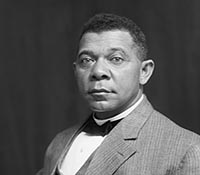

February 1 …
Charles Lenox Remond was one of the earliest African American abolitionist speakers and a pioneering figure in the struggle for racial equality in 19th-century America.
Born in Salem, MA on February 1, 1810 to free Black parents, Remond and his siblings — including sister Sarah Parker Remond — grew up in a household that valued education, entrepreneurship, and civic involvement. His family was prominent in the Black community and operated a successful hairdressing and catering business, which helped shield them from some of the economic hardships common to African Americans at the time. From this environment, Remond developed a strong sense of justice, purpose, and a belief in the power of public discourse to enact change.
Remond rose to prominence in the 1830s as an agent of the American Anti-Slavery Society. His eloquence, intellect, and fiery oratory made him one of the first African American abolitionists to lecture widely before predominantly white audiences in the United States and Europe. At a time when few Black Americans were afforded a public platform, Remond fearlessly confronted the moral hypocrisy of slavery and challenged the institutions that perpetuated racial injustice. His speeches were characterized by a direct, unflinching critique of American society, rooted in personal conviction and a profound understanding of democratic ideals.
In 1840, Remond traveled to England as a delegate to the World Anti-Slavery Convention in London, where his presence—and the exclusion of women like Lucretia Mott — sparked conversations about race and gender inclusion in reform movements. While in Europe, Remond gave numerous speeches across the British Isles, garnering support for the American abolitionist cause and raising awareness of the brutal realities of slavery in the United States. His time abroad also allowed him to build transatlantic alliances and to experience, for the first time, a society where he was not subjected to the same racial restrictions as in his homeland.
Upon returning to the United States, Remond continued his activism but increasingly encountered the limits imposed by systemic racism and internal divisions within the abolitionist movement. Despite this, he remained a respected figure and continued to lecture, organize, and write in support of abolition and equal rights. He also participated in efforts to desegregate public institutions and fought against discriminatory laws in Massachusetts. His activism extended beyond abolition to include advocacy for education and civil rights, particularly within the context of African American self-determination.
During the Civil War, Remond actively recruited Black soldiers for the Union Army, recognizing that military service was both a path to citizenship and a powerful assertion of African American manhood and loyalty to the nation. He worked alongside other prominent Black leaders to raise troops and ensure that Black soldiers were treated with dignity. Although he never held public office, Remond was an influential voice in political circles and an enduring example of civic leadership and moral clarity.
Remond’s legacy lies in his role as a trailblazer for Black public intellectuals and activists. As one of the first African Americans to speak out on the national and international stage against slavery, he helped shape the moral argument that would eventually lead to emancipation. His life was a testament to the power of words in the fight for justice and the necessity of persistent resistance against racial oppression.
Though not as widely remembered today as some of his contemporaries, the work of Charles Lenox Remond laid a vital foundation for the generations of civil rights activists who followed.
