

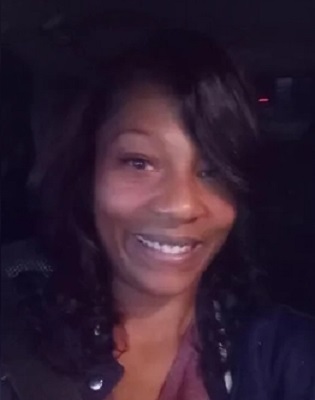
Sonya Massey

February 12 …
The life and death of Sonya Massey drew national attention and became part of ongoing debates about policing, mental health, and public safety in the United States.
Born on February 12, 1988, Massey lived near Springfield, IL, where she was a mother and a member of her local community. She maintained strong connections with her family, who later described her as someone navigating daily challenges, while striving to create stability for herself and her children.
Massey’s life mirrored the experiences of many working-class Americans attempting to balance personal responsibilities, financial pressures, and health issues. This includes periods of emotional and psychological strain.
While public records lack extensive details about her formal education and professional achievements, Massey was largely shaped by her roles within her family and community. Those who knew her highlighted her dedication as a caregiver and efforts to manage her circumstances while staying connected to her loved ones. In this way, her impact was deeply personal and relational, rooted in family life rather than public accolades or institutional accomplishments.
On July 6, 2024, Massey called 911 to report a potential intruder at her home. When deputies from the Sangamon County Sheriff’s Office arrived, an interaction inside her home escalated dramatically. During this encounter, a deputy officer shot and killed her.
Authorities later indicated that Massey was holding a pot of hot water, and video footage of the incident sparked widespread concern regarding the use of force. The officer faced multiple charges — including first-degree murder — and was taken into custody. The case has since progressed through the legal system amidst significant public scrutiny.
The impact of Massey’s death was immediate and far-reaching. Her family and close friends experienced profound loss while becoming advocates for accountability. The release of body camera footage amplified public outcry, fueling protests and renewed calls for police reform, particularly in relation to responses for individuals in crisis.
The case of Sonya Massey is now part of a larger national dialogue surrounding the use of force, racial disparities, and crisis intervention, influencing policy discussions and bolstering ongoing efforts within movements like Black Lives Matter.
