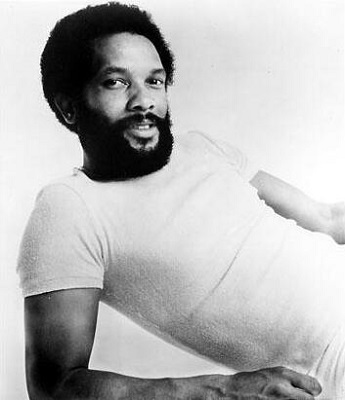
Roy Ayers
September 10 …
Roy Ayers is widely regarded as one of the most influential figures in jazz, funk, and soul music — and he has been described as “The Godfather of Neo Soul.”
Born on September 10, 1940 in Los Angeles, Ayers grew up in a musically rich environment, which spurred his passion for music at an early age. Initially training as a classical pianist, he soon found his true calling in jazz vibraphone, an instrument that would become his signature sound.
Over the course of his career, Ayers built a reputation for blending genres in innovative ways, shaping the sound of both jazz and R&B while influencing the development of funk and hip-hop.
In the 1960s, Ayers began his professional career by working with notable jazz musicians, including the legendary vibraphonist Lionel Hampton. His time with Hampton’s orchestra helped him develop his skills and refine his distinct style. However, it was during the 1970s that Ayers truly made his mark.
Ayers’ fusion of jazz with funk rhythms resulted in a groundbreaking sound that resonated with a wide range of audiences. His ability to create smooth, infectious grooves with his vibraphone set him apart from his contemporaries and positioned him as one of the leading voices in the genre.
One of Ayers’ most outstanding contributions to music came with his 1976 album Everybody Loves the Sunshine. The title track, in particular, has become one of his signature songs, emblematic of the unique combination of jazz, soul, and funk that Ayers masterfully created. The song’s mellow yet groovy vibe, paired with Ayers’ unmistakable vibraphone, became an anthem of the era and is still celebrated today in various music circles. This track, along with others from his catalog, helped establish Ayers as a key figure in the development of the “smooth jazz” genre while maintaining his roots in the harder sounds of jazz.
Ayers was also ahead of his time in his collaborations with various artists. In the 1980s, his work with hip-hop groups like A Tribe Called Quest and De La Soul showcased his influence on the burgeoning hip-hop scene. The way Ayers’ songs were sampled in classic tracks like “Sunshine” and “Everybody Loves the Sunshine” demonstrated his lasting impact on the genre.
These samples have led a new generation of listeners to discover his music, cementing his place not just in jazz, but in popular music history as well. This fusion of jazz and hip-hop remains one of Ayers’ most remarkable achievements, reflecting the seamless versatility of his musical legacy.
Ayers’ influence extends far beyond his own recordings. As a live performer, he became known for his charismatic stage presence and ability to create an engaging atmosphere that brought audiences together. His dynamic performances allowed him to collaborate with a variety of musicians, from funk bands to soul artists, and further expanded his reach and impact.
Throughout his career, Roy Ayers continually experimented with new sounds and pushed the boundaries of jazz, funk, and soul music. His contributions to music have not only shaped the genres in which he worked, but also influenced the cultural landscape of the 20th and 21st centuries.