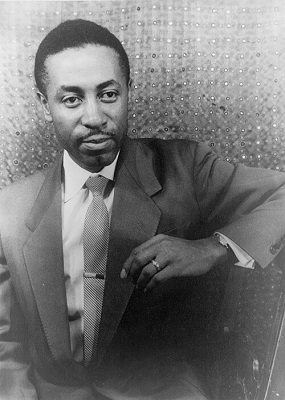
Robert McFerrin Sr.
March 19 …
Robert McFerrin Sr. was a groundbreaking opera singer whose achievements helped dismantle racial barriers in American classical music and performance.
Born on March 19, 1921 in Marianna, AR and raised in Memphis, TN, McFerrin nurtured his musical skills in church and local venues before studying at Fisk University. He further honed his vocal technique at the Chicago Musical College. His early experiences in a segregated America fueled his artistic drive and his dedication to excellence in a field where opportunities for Black performers were scarce.
In 1955, McFerrin made history by becoming the first African American man to perform with the Metropolitan Opera in New York City, debuting in Verdi’s “Rigoletto.” His career spanned opera, concerts, and recordings, and he made notable contributions to film, notably dubbing singing for Sidney Poitier in Porgy and Bess.
Influenced by classical vocal traditions and earlier trailblazers like Paul Robeson and Roland Hayes, McFerrin’s career showcased the potential for success in classical music despite systemic challenges. His contemporaries included renowned opera figures like Leontyne Price and William Warfield, along with crossover artists who faced similar representation issues. His impact on his son, Bobby McFerrin, and younger generations of Black classical singers is evident in the inspiration drawn from his achievements.
McFerrin earned accolades including the NAACP Image Awards and recognition from cultural institutions for his groundbreaking contributions to the arts.
McFerrin’s broader influence on American society and culture is rooted in his role as a pioneering artist who enhanced access and visibility for African Americans in opera and classical music. By excelling on some of the nation’s most prestigious stages, he challenged deeply ingrained racial norms and paved the way for future performers.
The legacy of Robert McFerrin Sr. endures as a vital chapter in the history of American music, embodying both artistic triumph and the ongoing quest for equality in the arts.