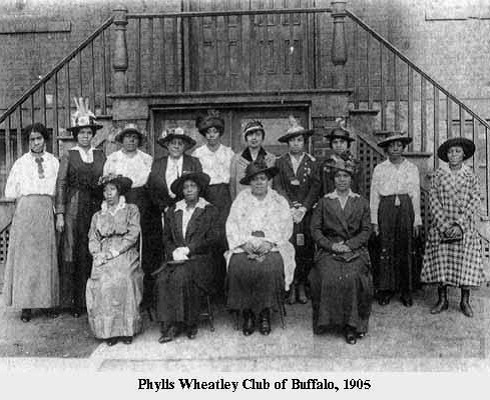
Phillis Wheatley Clubs


January 28
The Phillis Wheatley Clubs are women’s clubs created by African Americans primarly for the purpose of community involvement. They emerged in the late 19th century as a powerful response to the social, educational, and political challenges confronting African American women in the post-Reconstruction United States.
Named in honor of Phillis Wheatley, the first published African American woman poet, these Clubs were rooted in a tradition of intellectual achievement, moral leadership, and community uplift. From their inception, the Clubs embraced the belief that education, culture, and organized service were essential tools for racial progress and self-determination.
The first Club was founded on January 28, 1895 in Nashville, TN, during a time when Black women were largely excluded from mainstream civic organizations. In 1896, they opened what was then the only training hospital for Black doctors and nurses.
Predominantly composed of educated African American women — including teachers, writers, church leaders, and professionals — the founders sought to create spaces for intellectual exchange and collective action. Drawing inspiration from the women’s club movement and Black self-help traditions, they emphasized racial pride, personal development, and community service.
These women believed that cultivating leadership among Black women would strengthen families, neighborhoods, and institutions. Their work aligned with the broader philosophy of “lifting as we climb,” which guided many African American women’s organizations at that time.
The Clubs quickly spread across the United States, becoming a vital part of an emerging national network of Black women’s organizations. Many local Clubs later affiliated with the National Association of Colored Women, collaborating on coordinated initiatives to address social inequalities. Their efforts included organizing literary societies, hosting lectures and cultural events, and promoting the arts as pathways to empowerment. By preserving Black history and celebrating intellectual achievements, the Clubs challenged racist narratives that aimed to diminish the cultural and scholarly contributions of African Americans.
A key achievement of the Clubs was their steadfast commitment to education and youth development. Members raised funds for scholarships, established kindergartens and libraries, and supported schools for Black children during a time when public resources were scarce or segregated.
They also initiated mentorship programs for young women, focusing on leadership, discipline, and civic responsibility. Through these initiatives, the clubs directly contributed to expanding educational opportunities and nurturing future generations of Black professionals and activists.
The clubs also played a vital role in social reform and community service. They advocated for improved housing, healthcare, and job opportunities while many members supported orphanages, homes for the elderly, and relief efforts for families in need. During national crises, such as economic downturns and wartime, Club members mobilized resources and organized aid campaigns. Their work exemplified how grassroots organizing could lead to tangible improvements in daily life while advancing long-term social change.
Support for the Clubs came from various prominent African American leaders and institutions. Churches, schools, and Black-owned businesses frequently collaborated with local clubs, providing meeting spaces and financial assistance. Many club members were influential figures — educators, suffragists, journalists, and civil rights advocates — whose leadership extended beyond the organization. The Clubs also influenced national discussions on womanhood, respectability, and racial justice within African American communities.
Although the Clubs did not seek accolades, their impact was widely recognized within Black civic life. They gained respect for their organizational discipline, intellectual rigor, and unwavering dedication to service. Over time, their legacy has been honored through historical commemorations, archival preservation, and recognition by women’s history and African American heritage organizations. The ongoing study of their work underscores their significant role in shaping both local communities and national reform movements.
The historical significance of the Clubs lies in their enduring example of collective leadership and cultural affirmation. By creating spaces where Black women could think, organize, and lead, the Clubs effectively challenged both racial and gender barriers in American society. Their contributions to education, social welfare, and cultural preservation laid the foundation for future civil rights and feminist movements.
Many Clubs are still active in the 21st century, and today, the Phillis Wheatley Clubs stand as a testament to the power of organized community action and the lasting impact of Black women in American history.