Paul Robeson



April 9 …
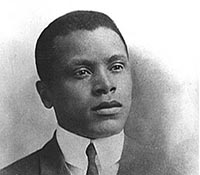
Paul Robeson was a multifaceted talent, known for his remarkable achievements as an actor, singer, athlete, and civil rights activist.
Born on April 9, 1898 in Princeton, NJ, Robeson’s early life was marked by adversity, including the loss of his mother at a young age and the challenges of growing up in a racially segregated society. However, he excelled academically and athletically, earning a scholarship to Rutgers University, where he became a standout student and athlete. Robeson’s talent in sports was matched only by his academic prowess, graduating as class valedictorian, an achievement that set the tone for his future endeavors in the arts and beyond.
Robeson’s career in the arts began to take shape in the 1920s, and he soon became a celebrated stage actor and singer. His most iconic performance was in the title role of Othello in 1943, where his powerful portrayal of Shakespeare’s tragic character made a lasting impact on the American theater scene. Additionally, Robeson’s deep, resonant voice made him a beloved figure in the world of music, particularly through his renditions of spirituals and folk songs. One of his most famous songs, “Ol’ Man River,” from the musical Show Boat, captured both his vocal ability and his connection to the African American experience, resonating with audiences across racial lines.
In 1936, Robeson co-founded — with Fredi Washington, W.C. Handy, and Ethel Waters — the Negro Actors Guild of America. They named Bill Bojangles Robinson honorary president and elected Noble Sissle as the first president.
Beyond his artistic achievements, Robeson was an outspoken advocate for civil rights, using his fame to challenge racial inequality in America. He was a vocal critic of segregation, racism, and colonialism, both in the United States and abroad. Robeson’s political activism, particularly his support for the Soviet Union and his criticism of U.S. foreign policy, would eventually make him a controversial figure in the post-World War II era.
His alignment with left-wing causes and his vocal opposition to American racism led to intense scrutiny during the McCarthy era, and his passport was revoked in 1950, preventing him from traveling abroad for nearly a decade. Despite these challenges, Robeson remained steadfast in his convictions, advocating for a world where racial equality and social justice were paramount.
Robeson’s political views, especially his support for socialism and his admiration for the Soviet Union, contributed to his fall from grace in the United States. During the Cold War, his alignment with leftist ideologies was seen as unpatriotic, and he was labeled a communist sympathizer by the government. His outspoken criticisms of American racism, particularly his condemnation of the mistreatment of African Americans and his support for the rights of colonized peoples, put him at odds with many of his former supporters. Robeson’s career and reputation were severely damaged by the political climate of the time, but his commitment to social justice and equality remained unwavering, even as he faced blacklisting and isolation.
Paul Robeson’s legacy is one of courage, artistry, and activism. He remains an iconic figure in the history of African American culture, and his contributions to the arts and civil rights continue to inspire generations of activists, performers, and thinkers. His life reminds us of the power of art to both reflect and challenge society, and the importance of standing up for one’s beliefs, even in the face of tremendous adversity.
The work of Paul Robeson and his unwavering commitment to racial equality have cemented his place as one of the most influential figures in American history.