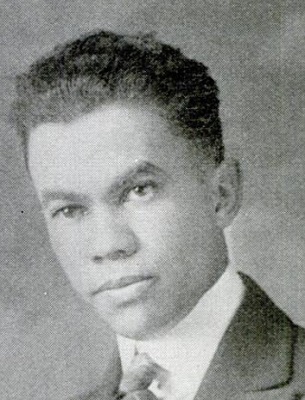
Paul R. Williams
February 18 …
Paul R. Williams (FAIA) was a pioneering architect whose visionary work reshaped American architecture and left a lasting imprint on the cultural and social landscape of the United States.
Born Paul Revere Williams on February 18, 1894 in Los Angeles, he was raised in a humble household where creativity and determination were highly esteemed. His early love for design and drawing was encouraged by his parents, and despite the racial challenges of early 20th-century America, he pursued a career in architecture at a time when opportunities for African Americans in the field were scarce.
While much of his formal training was self-directed, he apprenticed with several prestigious architectural firms in Los Angeles. Under the guidance of architects like Charles M. Plummer, he honed his technical precision and keen attention to detail. His exceptional talent and dedicated practice allowed him to master both residential and commercial design, seamlessly blending elegance with functionality.
Notably, Williams became the first African-American member of the American Institute of Architects (AIA) in Southern California in 1921. Simultaneously, he became the first certified African-American architect west of the Mississippi, paving the way for future generations.
Throughout his career, Williams designed thousands of buildings, including private homes for Hollywood icons — like Frank Sinatra, Lucille Ball, Desi Arnaz, Lon Chaney, Barbara Stanwyck, and Eddie Rochester Anderson — as well as civic and commercial structures that significantly impacted Los Angeles and beyond. He was celebrated for his unique ability to draw designs upside down, a technique developed to accommodate clients seated across from him.
Williams’ influence reached beyond design. By breaking racial barriers in his field, he inspired future architects such as his protégée, Norma Sklarek, who became one of the first prominent African-American female architects. He admired trailblazers like Julia Morgan, whose work showed that architectural excellence could transcend social barriers.
Williams engaged with a network of progressive professionals who collectively advanced modern American architecture. He counted architects such as Richard Neutra and Paul R. Hunter among his contemporaries, whose modernist designs reflected a similar versatility and innovation.
Williams’ career was marked by numerous accolades that recognized both his artistic achievements and his pioneering contributions to the profession. Among these honors was the AIA Gold Medal awarded posthumously in 2017, along with various humanitarian awards for his efforts to promote accessible and equitable architecture. He also received honorary doctorates from Lincoln University (MO) in 1941, Howard University in 1952, and Tuskegee Institute in 1956.
In 1957, Williams became the first Black member to be inducted into the AIA’s College of Fellows (FAIA). The letter from the Executive Secretary of AIA offered Williams the membership for his notable contribution in public service.
The legacy of Paul R. Williams (FAIA) lives on, not only in the physical beauty of his designs, but also in the cultural and societal impact of his success, challenging racial biases and inspiring generations of architects, designers, and communities to envision a more inclusive and innovative environment.