


NABJ


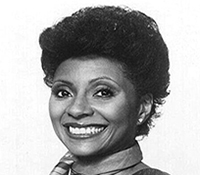
December 12…
The National Association of Black Journalists (NABJ) has played a transformative role in American journalism by advocating for greater representation, professional development, and ethical responsibility in newsrooms across print, broadcast, and digital media.
Since its inception and the founding meeting on December 12, 1975 in Washington, DC, the organization has been dedicated to broadening opportunities for Black journalists while addressing systemic inequities in media representation and employment. Its influence reaches beyond the industry, shaping the portrayal and understanding of race, politics, culture, and community within the wider American public discourse.
The organization arose from an increasing dissatisfaction with the marginalization of Black journalists and misrepresentation of Black communities in mainstream media. A group of 44 journalists came together to voice a call for change, led by pioneering figures, including Max Robinson, A. Peter Bailey, Chuck Stone, Ethel Payne, and Vernon Jarrett.
Influenced by the civil rights movement and their experiences with discrimination in newsrooms, they sought not only to enhance hiring practices, but also to elevate journalistic standards, ensuring that coverage of Black communities was nuanced, fair, and accurate. Through initiatives in advocacy, training, scholarships, and community engagement, it has emerged as one of the most impactful journalism associations in the United States.
Throughout the late 20th century, NABJ became a formidable advocate for diversity in newsrooms across major newspapers, television networks, radio stations, and emerging digital platforms. It engaged with media executives, monitored hiring practices, and publicly challenged biased reporting.
Its influence in broadcasting was particularly notable during the emergence of 24-hour cable news and the consolidation of major networks, as it advocated for on-air representation and equitable leadership opportunities. The organization also forged partnerships with journalism schools and foundations to create pathways for aspiring reporters, editors, producers, and media entrepreneurs, thereby transforming both the structure and culture of American news institutions.
In addition to its professional advocacy, the association has nurtured a vibrant intellectual and cultural community through its annual conventions, regional chapters, and publications. These events unite journalists, scholars, policymakers, and media innovators to explore issues from investigative journalism and political reporting to entertainment media and digital evolution.
Its membership includes working journalists, journalism students, educators, and media professionals who benefit from networking, mentorship, and ongoing education. By acting as both a watchdog and a support system, it has fortified ethical standards while amplifying diverse voices in national discussions about race, democracy, and social justice.
Over the years, the association has garnered significant recognition for its contributions to media equity and professional excellence. It oversees prestigious awards that celebrate outstanding reporting and lifetime achievements, honoring journalists who champion truth and accountability. Past honorees include Ed Bradley, Carole Simpson, Charlayne Hunter-Gault, Bernard Shaw, Gwen Ifill, and many other iconic journalists.
Through scholarships and fellowships, it has launched and supported numerous careers, leaving a lasting impact on newsrooms across the nation.
The historical significance of the National Association of Black Journalists lies not only in expanding access, but also in reshaping the cultural narrative of American journalism — emphasizing that diversity is crucial to credibility and that an inclusive press is vital for fostering a well-informed and equitable society.
