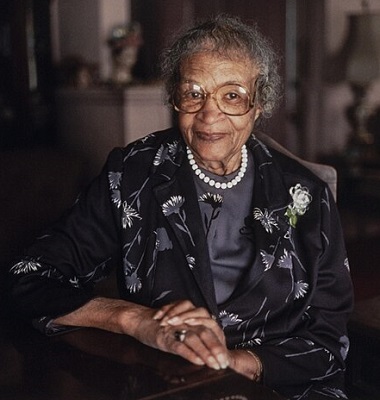
Frances Albrier


September 21 …
Frances Albrier was a pioneering labor organizer and civil rights leader whose activism bridged the struggles for economic justice, racial equality, and women’s empowerment in 20th-century America.
Born on September 21, 1898 in Mount Vernon, NY and raised in Berkeley, CA, Albrier grew up in a politically conscious household that valued education and civic engagement. She attended the University of California, Berkeley, where she studied business administration, becoming one of the first Black women to graduate from the institution.
Inspired by the philosophy of racial uplift championed by leaders like W.E.B. Du Bois and Mary McLeod Bethune, she forged a lifelong commitment to connecting education with activism. Her early involvement with the NAACP and the Democratic Party in California laid the groundwork for her significant contributions to labor and civil rights organizing.
Albrier made history during World War II by successfully challenging discriminatory hiring practices in the shipbuilding industry. After completing a welding course, she insisted on equal employment at the Kaiser Shipyards in Richmond, CA, becoming the first Black woman welder hired there. Her groundbreaking achievement not only opened industrial employment opportunities for African American women, but also aligned with broader fair employment initiatives driven by labor leaders such as A. Philip Randolph.
She was actively involved in the Brotherhood of Sleeping Car Porters auxiliary and worked within integrated labor unions to advocate for nondiscrimination clauses and equitable representation. Collaborating with contemporaries like C.L. Dellums, she contributed to Bay Area labor and civil rights efforts alongside women organizers who promoted workplace equity on the West Coast.
In addition to her labor activism, Albrier was a dedicated community leader, serving on local Democratic committees and advocating for public housing, youth programs, and increased political participation for African Americans. She mentored younger activists and encouraged Black women to pursue leadership roles in unions and civic organizations, thereby expanding opportunities for future generations.
Throughout her life, Albrier received numerous accolades and commendations for her groundbreaking contributions, including recognition from civic organizations in Berkeley and Richmond that celebrated her as a transformative figure in California history.
The life of Frances Albrier serves as a powerful reminder of the impact of grassroots activism in reshaping labor practices, advancing civil rights, and reinforcing the foundations of a democratic society.