Denver Ferguson


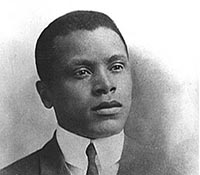

February 19 …
Denver Ferguson was a pioneering African American entrepreneur whose vision and business acumen helped shape the landscape of Black entertainment in the early to mid-20th century.
Denver Darious Ferguson Sr. was born in Brownsville, KY on February 19, 1895. He moved to Indianapolis during the Great Migration, a period when many African Americans relocated from the South to northern cities in search of better opportunities. In Indianapolis, he began building a legacy that would transform the city into a thriving hub for Black culture and nightlife, particularly along Indiana Avenue, the heart of the city’s Black business and entertainment district.
Ferguson initially found success in the printing business, where he established a company that produced materials for Black churches, businesses, and political organizations. His printing business became a gateway into the world of entertainment as he began promoting events and performances for Black audiences. Recognizing the demand for quality entertainment in segregated America, Ferguson began organizing dances, concerts, and theatrical performances, eventually expanding into club ownership and artist management. He became one of the most important figures in the development of the “Chitlin’ Circuit,” a network of venues that allowed Black performers to tour safely and successfully during the Jim Crow era.
One of Ferguson’s most significant contributions was his support of Black musicians and entertainers at a time when mainstream venues and agencies excluded them. He booked and promoted artists such as Duke Ellington, Count Basie, and Cab Calloway, helping to launch and sustain careers that would shape the course of American music. His clubs, including the famed Sunset Terrace in Indianapolis, became iconic spaces where jazz and blues flourished, and where African American audiences could enjoy top-tier performances in welcoming environments.
In addition to live entertainment, Ferguson also played a role in the early development of Black cinema. He supported local film screenings and collaborated with other Black entrepreneurs to bring race films — movies made for Black audiences with Black casts — to theaters across the Midwest. These efforts not only entertained but also empowered African American communities by offering cultural representation at a time when Hollywood largely ignored or caricatured Black life. Ferguson understood the power of media and performance to influence both identity and opportunity.
Ferguson’s work went beyond entertainment — he was a civic leader who helped foster a sense of pride and autonomy in the Black community. By building an entertainment empire that served and celebrated African Americans, he contributed to the development of a parallel cultural infrastructure that challenged the limitations imposed by segregation. His success demonstrated that Black entrepreneurship could thrive despite systemic racism, and his efforts laid the groundwork for future generations of Black business owners and entertainers.
Though his name is not as widely known today, Denver Ferguson’s legacy lives on through the cultural institutions he helped build and the artists he supported. He was a crucial architect of Black entertainment during a transformative period in American history, and his work helped ensure that African American creativity and talent had a stage to shine.
The contributions of Denver Ferguson to film, music, and culture remain an important chapter in the story of American progress and artistic achievement.