


Clora Bryant
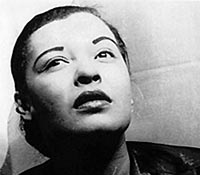
May 30 …
Clora Larea Bryant was an extraordinary jazz trumpeter whose career challenged the norms of her era and expanded the presence of women in jazz, entertainment, and cultural history.
Born on May 30, 1927 in Denison, TX, Bryant developed a deep passion for music early in life, inspired by her father and nurtured through experiences singing in church and learning piano, followed by trumpet. Her journey, from the vibrant jazz clubs of Central Avenue in Los Angeles to international stages, showcases both her extraordinary talent and her resilience in overcoming racial and gender obstacles within the music industry.
Bryant’s accomplishments were grounded in her lifelong commitment to jazz, which she pursued both academically and professionally. After declining scholarships to Oberlin Conservatory and Bennett College, she enrolled at Prairie View College in 1943 to perform with the Prairie View Co-eds jazz band, touring Texas and even showcasing her talent at the Apollo Theater in New York.
She later joined the celebrated International Sweethearts of Rhythm, obtained her musicians’ union card, and ultimately left school to fully embrace her calling. Notably, the legendary Dizzy Gillespie became her mentor, providing guidance and opportunities as she refined her skills among the genre’s luminaries.
Bryant distinguished herself through remarkable collaborations and performances alongside influential legends in jazz. As the only female trumpeter to perform with icons such as Dizzy Gillespie and Charlie Parker, she also worked with stars like Billie Holiday, Josephine Baker, Louis Armstrong, and Harry James.
In the early 1950s, Bryant was a member of the Hollywood Sepia Tones, the first all-female jazz group to appear on television, and she recorded her sole album as a leader, Gal With a Horn, in 1957. Her versatility was evident as she toured internationally, accompanying singers like Billy Williams on “The Ed Sullivan Show” and leading her own ensembles, such as Swi-Bop.
Her influences and idols ranged from the bebop innovations she first encountered on Central Avenue to the big-band giants of her youth. She formed lasting friendships with fellow musicians who recognized her artistry, even as the industry frequently overlooked her contributions.
Bryant’s work laid the groundwork for future generations of female instrumentalists in jazz. As a dedicated mentor and educator, she lectured on jazz history, co-edited a book on the dynamic jazz scene of Los Angeles, and inspired young musicians with her stories and experiences.
Throughout her life, Bryant received numerous accolades reflecting her significant impact on American music. In 2002, she was honored with the Mary Lou Williams Women in Jazz Award at the Kennedy Center in Washington, D.C., a recognition of her lifelong dedication and influence. Documentaries like “Trumpetistically” and “The Girls in the Band” further celebrated her legacy, highlighting her role as an artist and trailblazer.
Even after health challenges led her to stop playing the trumpet in the mid-1990s, Clora Bryant continued to enrich the cultural landscape through performance, scholarship, and storytelling until her passing on August 25, 2019.
