
June 8 …
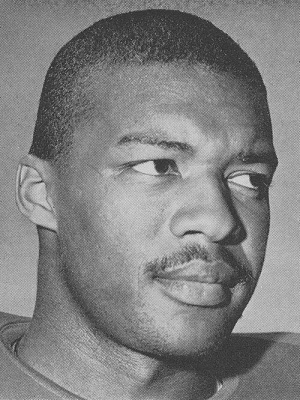
Bernie Casey was a multifaceted performer and former professional athlete whose work in film, television, and the arts reflected a broad and influential presence in American cultural life.
Born on June 8, 1939 in Wyco, WV and raised in Columbus, OH, Casey showcased remarkable prowess in both academics and athletics from an early age. He attended Bowling Green State University, where he excelled as a football player and earned All-American accolades.
Prior to his acting career, Casey played professionally in the National Football League, experiences that instilled in him a strong sense of discipline and a public persona. Alongside his athletic endeavors, he nurtured artistic passions, including painting and poetry, which later influenced his creative endeavors.
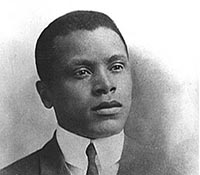
Influenced by trailblazing actors like Sidney Poitier, whose pioneering career opened doors in Hollywood, Casey was part of a generation that included performers such as Jim Brown and Fred Williamson, who similarly moved from athletics to acting and advanced the representation of Black talent in cinema. In the late 1960s, he made a seamless transition into acting, establishing a notable career in film and television with memorable roles in projects such as Revenge of the Nerds and Blaxploitation films, Cleopatra Jones and Dr. Black, Mr. Hyde.
Casey developed a reputation for portraying strong, authoritative, and multifaceted characters, contributing to the expansion of representation for Black actors in mainstream entertainment. Although he did not receive prestigious industry accolades like the Academy Awards, he earned admiration and recognition for his versatility, longevity, and meaningful contributions to independent and genre cinema. His career served as an inspiration for athletes and artists aspiring to break into acting and other creative realms.
Beyond the realm of entertainment, Casey’s influence reached into broader cultural and artistic domains. As a visual artist and writer, he delved into themes of identity, history, and self-expression, contributing to important dialogues about the role of Black artists in American culture.
The career of Bernie Casey mirrored the evolving opportunities and challenges faced by Black performers in the late 20th century, and his legacy continues to be a vital part of the narrative surrounding diversity, representation, and creative achievement in American history.