

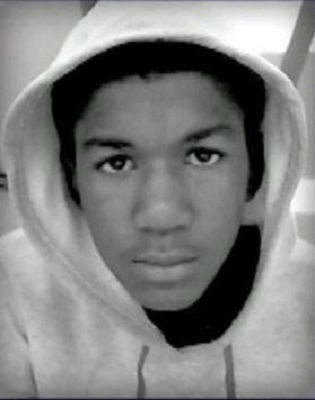
Trayvon Martin

February 5 …
Trayvon Martin was a 17-year-old whose death in 2012 became a national catalyst for debate on racial profiling, policing, and justice in America.
Trayvon Benjamin Martin was born February 5, 1995 in Miami, FL to Sybrina Fulton and Tracy Martin. He grew up in Miami Gardens, living with his mother and older brother, while also spending time with his father and step-family.
Friends and family described Martin as reserved, with a keen interest in aviation and active participation in school activities. He attended Dr. Michael M. Krop High School after previously being enrolled at Miami Carol City Senior High.
Martin’s educational journey included honors classes and various extracurricular interests. Teachers and relatives remembered him as a teenager who enjoyed math and aspired to learn to fly. Although he faced some school suspensions, his family and supporters highlighted his aspirations and strong familial relationships, working to portray him as a person beyond the headlines.
On the evening of February 26, 2012 — while visiting his father’s fiancée in Sanford, FL — Martin was walking back from a convenience store when he was confronted by George Zimmerman, a neighborhood-watch volunteer. An altercation ensued, resulting in Zimmerman fatally shooting Martin.
Claiming self-defense, Zimmerman faced national scrutiny and legal proceedings. He was charged with second-degree murder, but acquitted by a jury in July 2013. The Department of Justice later reviewed the case for civil rights violations, but did not pursue federal charges.
Martin’s death led to profound consequences. His parents established the Trayvon Martin Foundation to supports and helps families that have lost children to gun violence and advocate for education.
The case ignited nationwide protests, shifted public discourse about racial profiling and “stand-your-ground” laws. It galvanized contemporary movements for racial justice, contributing to the establishment and rise of the Black Lives Matter movement. It also prompted local reforms to neighborhood-watch policies and spurred enduring cultural responses in media, art, and public policy debates. All of these changes left a significant mark on American society and the contemporary Civil Rights Movement.
The death of Trayvon Martin sparked great sadness upon his loss and remains a sobering reminder that individual lives can ignite national movements and ongoing calls for justice and reform.
