

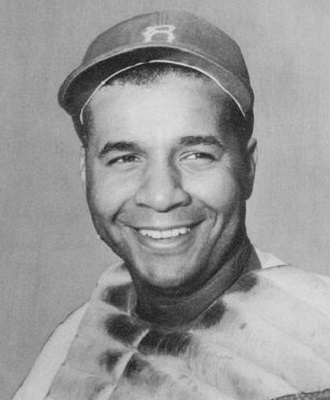
Roy Campanella

November 19 …
Roy Campanella was a Hall of Fame catcher whose excellence on the field and resilience off it made him a defining figure in the integration era of baseball and a symbol of perseverance in American culture.
Born November 19, 1921 in Philadelphia, Campanella — the son of an African American mother and an Italian immigrant father — grew up in a diverse, yet segregated society that profoundly influenced his identity and opportunities. He left school at an early age to chase his dream of playing baseball, honing his skills in sandlot leagues before making his professional debut as a teenager.
Campanella’s initial career unfolded in Negro League Baseball, where he played for teams like the Baltimore Elite Giants, earning national acclaim for his defensive prowess and powerful hitting. Despite lacking formal higher education, he was widely respected for his baseball intelligence and leadership on the field. His experiences in a divided America informed his quiet, yet resolute commitment to dignity and equality.
In 1948, Campanella’s major league career took off when he joined the Brooklyn Dodgers, shortly after Jackie Robinson broke the color barrier. As one of the first Black players in Major League Baseball, he quickly emerged as one of the league’s brightest stars, securing the National League Most Valuable Player Award three times (1951, 1953, and 1955).
Renowned for his exceptional defensive skills, game-calling, and formidable batting, Campanella played a pivotal role in leading the Dodgers to several pennants and a World Series championship in 1955. His achievements helped normalize the presence of Black athletes in the league and served as a catalyst in the broader civil rights struggle by exemplifying excellence and professionalism in the face of ongoing discrimination.
Among Campanella’s contemporaries were Jackie Robinson, Don Newcombe, and Pee Wee Reese, who collectively formed a groundbreaking integrated roster for the Dodgers. Influenced by veterans of Negro League Baseball who emphasized discipline and strategy, he, in turn, became a role model for younger players navigating a newly integrated sport.
While not overtly political, Campanella’s career coincided with the Civil Rights Movement, and his presence in Major League Baseball helped reshape public attitudes toward race, merit, and inclusion. His life took a dramatic turn in 1958 when a car accident left him paralyzed, yet he remained an inspirational figure, continuing to work with the Dodgers organization and mentor players, while advocating for individuals with disabilities.
Campanella’s legacy is celebrated through numerous accolades, including his induction into the National Baseball Hall of Fame in 1969. In 1998, he was awarded the Presidential Medal of Freedom by Bill Clinton, acknowledging his contributions to American society and his inspiring life story. Statues, awards, and ongoing recognition by Major League Baseball continue to honor his impact.
Though Roy Campanella died on June 26, 1993, his influence endures in baseball history and the broader American narrative, where his achievements and resilience symbolize both progress and the relentless pursuit of equality.
