


Peggy Cooper Cafritz


April 7 …
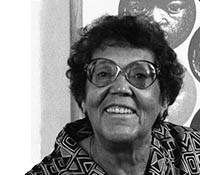
Peggy Cooper Cafritz was an educator, art collector, activist, and philanthropist whose decades of civic leadership reshaped arts education, cultural institutions, and access for Black artists and students in the United States.
Born Pearl Alice Cooper on April 7, 1947 in Mobile, AL into a prominent Black family, Cafritz had a firsthand experience of segregation, leading her to leave the South for boarding school and college. She attended St. Mary’s Academy in South Bend for high school and earned her B.A. from George Washington University (GW) in 1968, followed by a J.D. in 1971.
Cafritz’s early activism at GW — which included organizing the Black Peoples Union and challenging discriminatory practices in Greek life — laid the foundation for her lifelong commitment to intertwining arts, education, and civil rights. Growing up in a socially conscious family and encountering influential figures like photographer Gordon Parks Sr. reinforced her belief in the connection between art and advocacy.
Cafritz’s most notable achievement was co-founding the Duke Ellington School of the Arts, a project that began with a summer workshop in 1968, and nurturing it into one of the country’s foremost arts high schools. Notable alumni include Dave Chappelle and Denyce Graves.
Cafritz chaired the D.C. Commission on the Arts and Humanities from 1979 to 1987, served on various boards including the Kennedy Center and the President’s Committee on the Arts and the Humanities. She held the position of president of the D.C. Board of Education from 2000 to 2006.
As a collector, Cafritz amassed one of the largest private collections of contemporary art by artists of African descent. She ultimately bequeathed hundreds of these works to institutions such as the Studio Museum in Harlem and her own school.
Throughout her career, Cafritz mentored generations of students and young professionals, counting Susan Rice among her godchildren. She supported emerging artists who later gained prominence, including Kerry James Marshall, Simone Leigh, Kehinde Wiley, and Njideka Akunyili Crosby.
Cafritz’s contemporaries in arts and civic circles included Thelma Golden, Jack Shainman, Quincy Jones, and Vernon Jordan. She credited figures like Gordon Parks Sr. as influences and relied on supporters like Henry Strong and close friends for cultivating opportunities for artists and students.
Cafritz’s philanthropy included sponsoring various projects — such as early support for the film Malcolm X by Spike Lee. Her sponsonship also was extended to cultural institutions that expanded representation and career pathways for Black creatives.
Cafritz was recognized with numerous honors and institutional accolades, including honorary degrees from George Washington University, Belva Ann Lockwood Award from GW Law, appointments to national arts committees under President Clinton. She earned widespread recognition from arts organizations and the media for her impact as a cultural patron and education reformer.
The legacy of Peggy Cooper Cafritz — captured in her book Fired Up! Ready to Go! and her extensive donations of art and scholarships — continues to influence American arts education, cultural equity, and the visibility and careers of Black artists.
