Mary Lou Williams
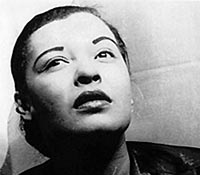
May 8 …
Mary Lou Williams was a pioneering jazz pianist, composer, and arranger whose innovative contributions significantly shaped American music, particularly in the realms of jazz and swing.
Born on May 8, 1910 in Atlanta, Williams grew up in a musical family that nurtured her love for the piano. After moving to Pittsburgh, she began performing in clubs as a teenager, refining her skills and creating a distinctive style that merged jazz, blues, and classical music.
Despite significant obstacles as a Black woman in a male-dominated industry, her talent garnered swift recognition. She performed with prominent bands in the 1930s, including those of Andy Kirk and Duke Ellington.
Williams’s career flourished as she gained acclaim for her extraordinary abilities as both a performer and a composer. She crafted numerous jazz standards, such as “In the Land of Oo-Bla-Dee” and “Zodiac Suite,” the latter illustrating her remarkable talent for integrating classical structures with jazz improvisation.
Her compositions were celebrated for their complexity and emotional resonance, reflecting her mastery of the genre. In addition to her performance career, she became a sought-after arranger for artists like Benny Goodman and Thelonious Monk, further solidifying her influence in the jazz world.
Inspired by jazz legends such as Art Tatum and Louis Armstrong, Williams also appreciated the vital contributions of African American women like Billie Holiday and Ella Fitzgerald. Throughout her career, she mentored many young musicians, including Bud Powell and Dizzy Gillespie, fostering the next generation of jazz artists. Her commitment to mentorship exemplified her desire to uplift emerging talent in a challenging industry.
Throughout her life, Williams received numerous accolades for her musical contributions, including a special award from the National Academy of Recording Arts and Sciences in 1981. She was also awarded a Guggenheim Fellowship for her innovative work as a composer.
In her later years, she dedicated herself to spirituality and education, emphasizing the healing power of music through jazz programs in churches and community centers.
Williams’s legacy continues to resonate within American culture, as she stands as a symbol of resilience and innovation in jazz history. Her groundbreaking work has inspired countless musicians and scholars, underscoring the essential role of women in the development of jazz.
Through her artistry and advocacy, Mary Lou Williams not only transformed the genre but also left an indelible mark on the cultural landscape, paving the way for future generations to follow in her footsteps.