


Martha Minerva Franklin


October 29 …
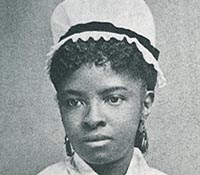
Martha Minerva Franklin was a determined nurse, organizer, and civil rights advocate whose leadership helped transform American healthcare by creating professional opportunities for African American nurses at a time of entrenched racial exclusion.
Born on October 29, 1870 in New Milford, CT, Franklin grew up in the post-Civil War era, a time when educational and professional opportunities for Black women were severely restricted. Undeterred by these challenges, Franklin pursued a career in nursing during a period when the field was still in its formative stages. She trained at the Women’s Hospital Training School for Nurses in Philadelphia, graduating in 1897. Franklin quickly recognized nursing as a respectable profession for women, while also confronting the racial discrimination that barred Black nurses from equal employment and professional associations.
After her training, Franklin faced the same systemic discrimination that many African American nurses encountered. Hospitals often refused to employ Black nurses, confining them to segregated facilities, and professional organizations frequently excluded them from membership.
Motivated by the rising professionalization of nursing, championed by reformers like Isabel Hampton Robb and Lavinia Dock — who were establishing national standards for nursing education — Franklin advocated for equal representation for African American nurses within these emerging institutions. She drew inspiration from the broader climate of Black activism and institution-building in the late 19th and early 20th centuries, when leaders in education, medicine, and civil rights were forming independent organizations to secure professional dignity and community advancement.
In 1908, Franklin took a bold step by organizing a national meeting of African American graduate nurses in New York City. She sent hundreds of letters nationwide, inviting Black nurses to convene and discuss the establishment of a professional association. This led to the creation of the National Association of Colored Graduate Nurses (NACGN), which was dedicated to eradicating racial discrimination in nursing, elevating training standards, and fostering leadership among Black nurses.
Franklin became the organization’s first president, guiding its early development and promoting disciplined advocacy and professional excellence. Among her contemporaries in this movement were trailblazers like Mary Eliza Mahoney and Adah Belle Thoms, who also played vital roles in strengthening the organization and expanding opportunities for Black nurses across the country.
Under Franklin’s leadership and that of her peers, the NACGN pursued initiatives that opened doors in public health, military nursing, and hospital employment. The association championed the inclusion of Black nurses in the American Nurses Association and advocated for greater representation during national crises, such as World War I.
Although full integration took decades, Franklin’s efforts laid the crucial groundwork for the eventual merger of the NACGN with the American Nurses Association in 1951, a significant milestone toward achieving professional equality. Her work helped ensure that African American nurses could play a more active role in shaping American healthcare, from bedside practice to policy discussions.
Franklin’s legacy extends beyond her organizational leadership; it embodies her unwavering commitment to justice and professional integrity. While she did not receive significant public recognition during her lifetime, she is now honored in nursing history as a foundational figure in the struggle for diversity and inclusion within the profession.
Historical accolades have acknowledged her courage in challenging discrimination and her role in building institutions that expanded access to healthcare careers for generations of Black women. Through her vision, persistence, and collective action, Martha Minerva Franklin helped transform the professional landscape of American medicine, ensuring that competence and dedication, rather than race, would define opportunity and achievement in nursing.
