

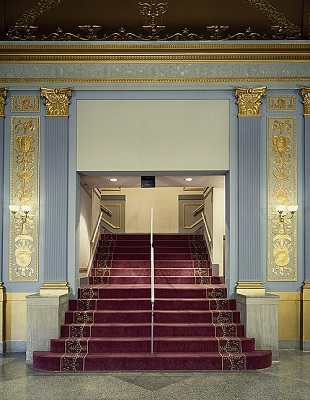
Lincoln Theatre (DC)


January 22 …
The Lincoln Theatre (DC) in Washington, DC is a historic cultural landmark that has played a central role in shaping American theater, entertainment, and African American cultural life for nearly a century.
From its inception as a vaudeville and movie theater to its role as a vibrant hub for live performances and community gatherings, the Theatre has long stood as a beacon of Black artistic excellence and a congregation point for audiences eager for high-quality entertainment that celebrates the richness of African American culture.
Opening on January 22, 1922 by African American entrepreneur Harry Crandall and his partners, the Theatre emerged in the city’s Shaw neighborhood to meet the needs of Black audiences during an era of segregation. Originally conceived as a vaudeville house and movie palace, it swiftly evolved into a pivotal venue for the flourishing African American entertainment scene.
The Theatre’s architectural elegance and ornate decor mirrored the lavishness of early 20th-century theaters, while its programming emphasized both popular films and live performances, providing a dignified and professional atmosphere where Black artists and audiences could flourish.
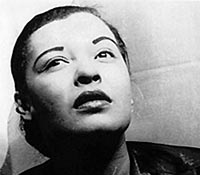
Throughout the decades, the Theatre welcomed some of the most iconic African American performers of the 20th century, including jazz legends like Duke Ellington, Ella Fitzgerald, and Billie Holiday, along with talents from the Harlem Renaissance and vaudeville circuits. Its projection system televised boxing fights on many occasions, like the Sugar Ray Robinson – Joey Maxim bout on June 25, 1952.
The theatre’s stage served as a launchpad for emerging artists and a cherished venue where national stars engaged with local audiences. Its impact reached beyond entertainment, fostering a sense of pride, cultural affirmation, and community unity in a city where racial segregation curtailed access to other performance spaces.
Drawing audiences from all over Washington, DC and its surroundings, the Theatre cultivated a dynamic cultural ecosystem that bolstered both the arts and local Black enterprises. It significantly influenced the broader entertainment landscape by showcasing the commercial and cultural viability of African American theater and live performance.
Local civic leaders, arts patrons, and Black community organizations played vital roles in maintaining the theatre’s programming and advocating for its ongoing significance. In more recent years, the theatre has come to symbolize the revival of historic Black cultural institutions and has been woven into initiatives that promote arts education and community involvement.
Acknowledged as a historical and cultural gem, the Theatre has garnered numerous accolades for its preservation and programming excellence. Its restoration and reopening in the early 1990s received commendations from national preservation organizations and city cultural commissions, ensuring the continuation of its legacy.
Today, the Lincoln Theatre (DC) operates not merely as a performance venue but as a symbol of African American artistic triumph, enriching the broader narrative of American theater, entertainment, and cultural history, while inspiring new generations of performers and audience members.
