

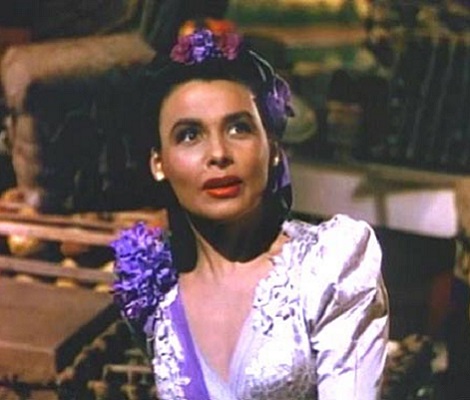
Lena Horne


June 30 …
Lena Horne was a legendary American singer, actress, and civil rights activist whose extraordinary talent and unwavering commitment to justice made her a defining figure in 20th-century American culture.
Born Lena Mary Calhoun Horne on June 30, 1917 in Brooklyn, NY, Horne began performing at an early age, joining the chorus line at the Cotton Club in Harlem when she was just 16. Her beauty, elegance, and charisma quickly set her apart in the segregated entertainment world, and she soon transitioned from nightclubs to national stages, becoming one of the first Black women to break through the racial barriers of Hollywood and mainstream show business.
Horne’s ascent in Hollywood during the 1940s was groundbreaking but fraught with limitations. Signed to a contract with MGM, she became the first African American woman to secure a long-term contract with a major studio. She appeared in a number of films, including Cabin in the Sky and Stormy Weather, and was often cast in musical numbers that could be easily cut for southern audiences.
Despite Horne’s undeniable talent, Hollywood’s racial policies prevented her from being offered leading roles in integrated casts or romantic storylines. Still, her presence on screen challenged stereotypes and opened doors for future generations of Black actresses.
Frustrated by the discrimination she faced in the film industry, Horne increasingly focused on her music career, where she found greater autonomy and expression. Her smoky voice and impeccable timing made her a star on the concert stage and in nightclubs, and she released a series of successful albums that cemented her status as a top-tier vocalist.
Horne’s renditions of songs like “Stormy Weather” and “Love Me or Leave Me” became classics, admired for their emotional depth and technical precision. Her artistry elevated American popular music and brought a sophisticated, uncompromising Black female presence to the forefront of the industry.

Horne posing with the Tuskegee Airmen in Tuskegee, AL during World War II.
During World War II, Horne refused to perform for segregated audiences and later joined civil rights marches and rallies alongside leaders like Medgar Evers and Martin Luther King Jr. Her refusal to stay silent about inequality earned her admiration as well as backlash, including government surveillance during the McCarthy era due to her associations with progressive causes.
Horne was also vocal about the narrow expectations placed on Black entertainers in an industry that often demanded compromise. She rejected stereotypical roles and insisted on being portrayed with dignity, even when it meant fewer opportunities. Her strength of character and refusal to be tokenized made her a role model for younger artists who would follow in her footsteps. At a time when few Black women had the power to shape their public image, Horne insisted on agency, making her a pioneering figure in the fight for representation in media.
Horne’s influence extended into the later decades of her life, with acclaimed concert performances, television specials, and a celebrated Broadway one-woman show, Lena Horne: The Lady and Her Music, which won a Tony Award in 1981. Even as the entertainment landscape changed, she remained a symbol of class, talent, and resistance. She continued to inspire audiences with her performances well into her later years, and her legacy was honored with numerous awards, including a Kennedy Center Honor and the NAACP Spingarn Medal.
Horne’s personal journey — marked by both triumph and pain — reflected the broader struggles of African Americans in the 20th century. She endured racism, industry marginalization, and political persecution, yet emerged as a beacon of resilience and pride. Her ability to navigate the complex intersections of race, gender, and celebrity with integrity and grace made her not just a star, but a transformative figure in American life.
Horne’s contributions to film, music, civil rights, and American history are immeasurable. She was a trailblazer who refused to be confined by the limitations of her era, using her gifts to entertain, enlighten, and elevate. In doing so, she redefined what it meant to be a Black woman in the spotlight and left an indelible mark on the cultural and social fabric of the United States.
The legacy of Lena Horne continues to resonate as a testament to the power of talent fused with purpose.
