November 3 …
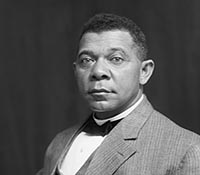
James E. Shepard was an American educator, pharmacist, and civic leader whose vision and leadership helped expand higher education opportunities for African Americans in the early twentieth century.
Born on November 3, 1875 in Raleigh, NC, Shepard grew up in the challenging years following Reconstruction, a period when educational opportunities for Black Americans were severely restricted. Despite these barriers, he pursued his education with unwavering determination, developing a keen interest in pharmacy and public service.
Shepard attended Shaw University in Raleigh, one of the oldest historically Black universities in the United States, where he received academic training and fostered a strong commitment to community leadership. At Shaw, he encountered influential educators and ministers who underscored the vital role of education in advancing racial progress and social mobility. Upon completing his studies, Shepard entered the pharmacy field, ultimately becoming a licensed pharmacist and earning respect as a professional in his community.
One of Shepard’s most significant achievements was founding what would later become North Carolina Central University in Durham. In 1910, he established the National Religious Training School and Chautauqua, an institution aimed at providing religious instruction, academic education, and practical skills for African Americans often excluded from other educational avenues.
Under his leadership, the school expanded considerably and gained recognition for its dedication to teacher education and professional development. In 1925, it evolved into the North Carolina College for Negroes, the first publicly supported liberal arts college for African Americans in the United States. Shepard served as its president for decades, guiding the institution’s growth and helping it emerge as a major center for Black higher education in the South.
Throughout his career, Shepard interacted with numerous influential figures in African American education and public life. His contemporaries included notable educators like Booker T. Washington of Tuskegee Institute and W.E.B. Du Bois, whose intellectual leadership catalyzed pivotal discussions about the future of Black education and advancement.
While Shepard admired Washington’s focus on practical training and economic independence, he also recognized the significance of the academic scholarship championed by Du Bois. In North Carolina, he collaborated with civic leaders, ministers, and educators who believed that higher education could transform Black communities and cultivate new generations of professionals, teachers, and leaders.
Shepard’s contributions left a lasting legacy in American education and culture by creating pathways for African Americans to pursue professional careers in fields such as teaching, ministry, and pharmacy.
As a founder, president, and advocate for educational opportunity, he influenced countless students and educators who passed through the institution he built. North Carolina Central University later honored his contributions with landmarks and memorials bearing his name, acknowledging his role in shaping one of the nation’s key historically Black universities.
Through his leadership, James E. Shepard significantly reinforced the foundation of Black higher education and broadened opportunities for generations of students in the United States.