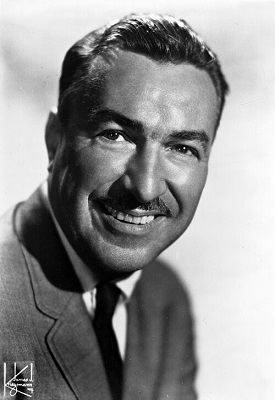
Adam Clayton Powell Jr.

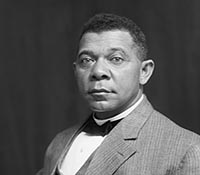


November 29 …
Adam Clayton Powell Jr. was a charismatic minister, civil rights advocate, and politician whose bold leadership reshaped American politics and expanded opportunities for African Americans during the mid-20th century.
Born on November 29, 1908 in New Haven, CT, Powell was raised in a prominent religious family deeply intertwined with Black church leadership. His father, Adam Clayton Powell Sr., was the pastor of the influential Abyssinian Baptist Church in New York City, a community that significantly influenced Powell Jr.’s development as both a spiritual and political leader.
After moving to Harlem as a child, Powell became part of a lively intellectual community in the aftermath of the Harlem Renaissance. He graduated from Colgate University with a bachelor’s degree and later pursued theology at both Columbia University and Shaw University. His educational background and upbringing in a socially active church environment instilled in him the belief that religion and political activism must collaborate to uplift marginalized communities.
Powell rose to prominence in the 1930s after succeeding his father as pastor of Abyssinian Baptist Church. Under his leadership, the church broadened its social services and transformed into a hub for political activism in Harlem. He initiated campaigns that confronted discriminatory hiring practices in New York businesses and advocated for improved housing and employment opportunities for African Americans.
In 1944, he was elected to the United States House of Representatives, becoming one of the most influential Black lawmakers of his time and the first African American from New York to serve in Congress. As chairman of the House Education and Labor Committee, Powell was instrumental in driving legislation aligned with the Civil Rights Movement, successfully promoting measures that enhanced minimum wage protections, funded education and job training programs, and strengthened anti-discrimination policies at the federal level.
Throughout his career, Powell engaged with prominent figures in American politics and civil rights — including Martin Luther King Jr., Thurgood Marshall, Ralph Abernathy, and Roy Wilkins — all of whom pursued diverse strategies to combat racial segregation and discrimination.
Powell’s bold personality and confrontational approach sometimes put him at odds with other politicians. However, his readiness to challenge the status quo made him a formidable advocate for Black Americans. Moreover, his influence extended to mentoring younger activists and lawmakers from Harlem, inspiring them to leverage political office as a means for social change.
Powell’s legacy lies in his dual role as a religious leader and a groundbreaking Black political figure who amplified the concerns of urban African American communities within the national legislative framework. While his career was marked by controversy and political strife, he remained a beacon of assertive Black leadership throughout the 20th century.
His congressional work significantly influenced policies regarding education, labor rights, and civil rights, leaving an enduring mark on American political history.
Through his initiatives in Harlem and his national prominence, Adam Clayton Powell Jr. redefined the roles of African American politicians and ministers in shaping American democracy and social justice.