


Harold B. Jackson Jr.
December 28 …
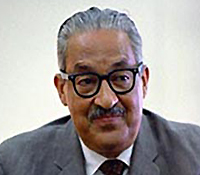
Harold B. Jackson Jr. was a trailblazing American jurist whose groundbreaking career helped reshape the legal landscape in Wisconsin while advancing fairness, access, and dignity within the broader fabric of American society.
Born on December 28, 1939 in Washington, DC, Jackson grew up in a family deeply involved in public service. His father, Hal Jackson, was a trailblazing broadcaster, and his sister, Jewell Jackson McCabe, emerged as a respected civic leader.
Jackson’s educational journey took him from public schools in Washington to the prestigious Lawrence Academy in Massachusetts, where he distinguished himself both academically and athletically before pursuing higher education at Marquette University. He graduated with a J.D. from Marquette University Law School in 1967, laying the groundwork for a career characterized by quiet leadership and groundbreaking accomplishments.
After being admitted to the bar, Jackson became the first African American assistant district attorney in Milwaukee County, earning a reputation as one of the sharpest legal minds in the office. He later transitioned to private practice, served as an assistant professor of law at Marquette.
In 1970 was appointed to the Milwaukee Board of School Directors, where he made history as the first African American president. In this pivotal role, he was instrumental in addressing school desegregation and the needs of the community.
In December 1973, Governor Patrick Lucey appointed him to the Wisconsin circuit court bench in Milwaukee County, making him the first African American circuit court judge in the state’s history. Jackson was subsequently elected and re-elected without opposition, serving with honor until his resignation in 1986, after which he became senior counsel for the Milwaukee Metropolitan Sewerage District and later served as special master overseeing justice system consent decrees.
Throughout his career, Jackson was guided by a commitment to justice, mentorship from seasoned legal professionals, and a dedication to public service rooted in community needs. He was known among his peers in law and civic leadership for his integrity, prudent judgment, and the dignity with which he approached both courtroom proceedings and board leadership.
While Jackson may not have been a nationally recognized figure, his achievements include significant firsts in Wisconsin’s judicial and educational realms, earning him lasting respect from colleagues, civic leaders, and the Milwaukee community.
The legacy of Harold B. Jackson Jr. remains through the barriers he broke and the example he set for future generations of lawyers, judges, and public servants striving for equity and justice within American law and society.
