Fess Whatley
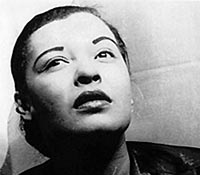
March 10 …
Fess Whatley was a distinguished musician, educator, and cultural figure whose contributions to American music and society spanned several decades.
Born John Tuggle Whatley on March 10, 1894 in Birmingham, AL, Whatley was raised in an environment where music served as both personal expression and a vital part of community life. His early exposure to a variety of musical traditions laid the foundation for his later work, seamlessly blending jazz, blues, gospel, and classical influences.
Whatley’s education encompassed both formal and informal pathways. He studied at several prestigious institutions, refining his skills under the guidance of esteemed musicians and educators. Throughout his career, he forged lasting relationships with fellow musicians, many of whom were also influential figures in American music.
Drawing inspiration from a wide array of genres and traditions, he infused elements of folk, jazz, blues, and classical music into his compositions. This eclectic blend made him a versatile and innovative teacher and artist, treasured by audiences across all demographics. While deeply rooted in African American musical traditions, Whatley also aimed to connect disparate musical cultures, which rendered his work vital to the evolution of contemporary American music.
During his teacher career he became known as “Fess,” which was short for “Professor.” As a dedicated teacher, he devoted much of his life to nurturing young musical talent, and his influence extended far beyond the concert stage, shaping generations of artists who would significantly impact the cultural landscape of the United States. Those young talents include Erskine Hawkins, Sun Ra, and many others who performed with some of the jazz greats.
As a prominent figure in the American music scene, Whatley garnered accolades and respect for his performances and teaching alike. He collaborated with numerous notable contemporaries, including Duke Ellington, Bessie Smith, and Count Basie, and maintained close partnerships with other musicians who would become legends themselves.
His performances were often described as electrifying, marked by a unique style that merged technical prowess with genuine emotional expression. Additionally, he played a pivotal role in the advancement of jazz education in America, founding several programs dedicated to introducing music to young people. These initiatives nurtured the next generation of jazz artists, many of whom would pursue successful careers in the music industry.
Fess Whatley’s influence extended beyond the classroom and concert halls. He was a social advocate who harnessed the power of music to unite people during periods of racial and political turmoil. As both a musician and educator, he understood music’s capacity to foster unity and inspire change.
His impact on American culture is unmistakable, as his music helped define jazz and its significance in the broader scope of American art. His belief in music’s transformative potential resonated deeply with his students, several of whom went on to achieve their own successes.
Notable protégés included Charles Mingus and Horace Silver, whose work carried forward Whatley’s spirit of innovation and cultural exploration.
In recognition of his contributions, Whatley received numerous awards and honors throughout his life, celebrated for both his artistic achievements and his role as an educator. His influence was felt not only within the realm of music but also throughout the broader social fabric of American society, where he emerged as a bridge between generations, cultures, and musical traditions.
The legacy of Fess Whatley endures through his students, his compositions, and the lasting impact he made on American music history. Fess Whatley remains an iconic figure whose work continues to inspire musicians, educators, and cultural leaders worldwide.