

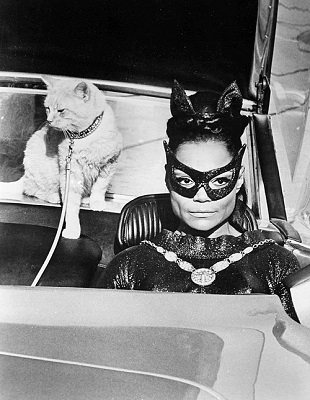
Eartha Kitt
January 17 …
Eartha Kitt was an iconic singer, actress, and activist whose career spanned over six decades, making significant contributions to American society, entertainment, and culture.
Renowned for her sultry voice, magnetic stage presence, and bold individuality, Kitt became an emblem of empowerment, challenging societal norms and leaving an enduring legacy in music, theater, and film. Her extraordinary life continues to inspire countless artists who admire her fearless pursuit of excellence and commitment to social justice.
Born on January 17, 1927 in North, SC, Kitt experienced a challenging upbringing marked by poverty. Yet, her early exposure to the arts, especially dance, ignited her passion for entertainment. She trained at the esteemed Katherine Dunham Dance School, where her talent quickly garnered public attention.
In the 1940s, after relocating to New York City, Kitt began performing in Broadway productions, skillfully developing her vocal and acting craft. Her early performances drew heavily from jazz and cabaret, establishing her as a distinctive voice in the entertainment landscape that combined her exotic charm with sharp wit and sophisticated allure. Kitt’s ascent to fame was further propelled by her collaborations with renowned musicians and composers like Duke Ellington and the unforgettable hit “Santa Baby.”
Kitt’s acting career was equally remarkable, showcasing her versatility and depth. She is perhaps best remembered for her portrayal of the iconic Catwoman in the 1960s television series Batman, where her seductive and mischievous performance entranced audiences.
Her roles in various films, including The Mark of the Hawk and Boomerang, left a lasting impact, as she defied the restrictive stereotypes often assigned to African American women in the industry. With the support of contemporaries like Lena Horne and Dorothy Dandridge, Kitt navigated the entertainment world, carving out her own path with unwavering individuality and confidence.
Kitt was not just a performer — she was also an activist who utilized her platform to address issues of racial inequality and injustice. In 1968, during a visit to the White House, she boldly spoke out against the Vietnam War in a meeting with Lady Bird Johnson, a stance that led to her being blacklisted in the United States for several years. Her fearless advocacy on political issues, particularly concerning civil rights, gender equity, and social justice, established her as a significant voice within both the entertainment and activist circles.
Kitt’s ability to navigate the complexities of fame and political discourse demonstrated her steadfast strength and dedication to her beliefs.
Her immense contributions to American culture earned her numerous honors and accolades, including multiple Tony nominations, an Emmy Award, and a cherished place in the hearts of audiences worldwide. Kitt’s unique voice, celebrated musical performances, and pioneering roles in film and television helped redefine the representation of women of color in the entertainment industry.
The legacy of Eartha Kitt continues to resonate for its audacity, creativity, and unapologetic individuality, firmly establishing her as a cultural icon whose influence endures across generations.
