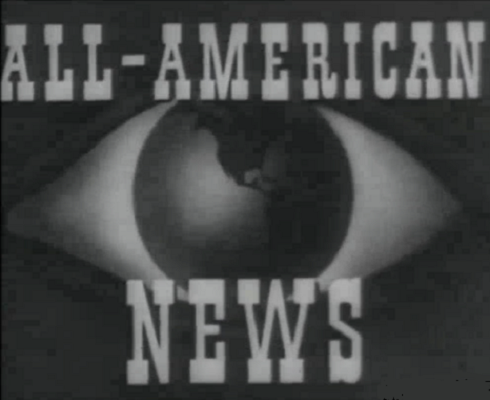
All-American News


November 14 …
All-American News was a groundbreaking African American–oriented newsreel series that reshaped visual journalism by documenting Black life, achievement, and wartime service during an era of widespread media exclusion.
The series was established on November 14, 1942 by filmmaker William D. Alexander under the auspices of the U.S. government’s Office of War Information. It emerged during World War II as part of a broader initiative to unify public sentiment and galvanize support for the war effort.
In collaboration with major Hollywood studios — particularly 20th Century Fox — the newsreel was distributed in theaters nationwide, with a focus on those serving African American audiences. Its inception highlighted a dual necessity: to encourage Black participation in the war and to provide a cultural counterpoint to the lack of dignified Black representation in mainstream media.
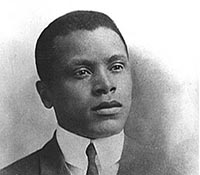
The foundation of the series is rooted in the segregated media landscape of early 20th-century America, where African Americans were largely overlooked or misrepresented in film and journalism. Drawing inspiration from earlier race film pioneers such as Oscar Micheaux, the series adopted a documentary style that combined journalism with cultural affirmation.
It explored a diverse array of subjects, from the contributions of Black soldiers overseas to wartime labor on the home front, as well as stories of professional and community achievements. Its uplifting and patriotic tone aligned with the “Double V” campaign — victory abroad and victory against racial injustice at home — while subtly advocating for civil rights through visibility and representation.
The series primarily targeted African American moviegoers, who experienced the reels in segregated theaters within urban and rural communities. At its peak, it reached hundreds of theaters and garnered an estimated weekly audience in the millions, making it one of the most widely viewed visual news sources for Black Americans of the time.
It also piqued the interest of government officials and white audiences eager to learn about Black wartime contributions, thereby broadening its cultural impact. Unlike print journalism, its “readership” was visual and communal, shared collectively in theaters where it reinforced a sense of identity and pride.
Though the series did not receive major mainstream honors typical of Hollywood productions, its importance has been acknowledged retrospectively by historians and cultural institutions for its pioneering role in American media. It is one of the earliest sustained efforts to produce news content specifically for African American audiences within a national distribution framework.
The legacy the All-American News endures in the evolution of Black journalism, documentary filmmaking, and media representation, influencing subsequent generations of filmmakers and journalists who have sought to tell more inclusive and accurate stories about American life.