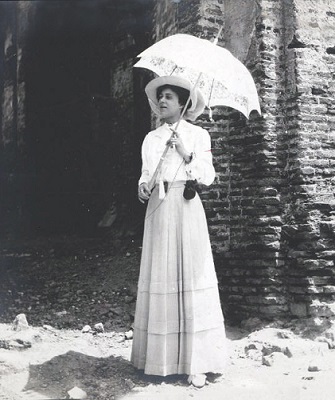
Grace Nail Johnson
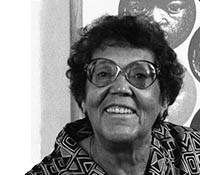


February 27 …
Grace Nail Johnson was an influential African American socialite, patron of the arts, and writer whose contributions to literature, visual arts, philanthropy, and cultural life helped shape the Harlem Renaissance and advance the visibility of Black creativity in American society.
Grace Elizabeth Nail was born on February 27, 1885 into a prominent African American family that valued education, civic engagement, and the arts. She received a robust educational foundation that fostered her intellectual curiosity and artistic sensibilities.
From an early age, she was immersed in literature, music, and visual arts, instilling in her a lifelong dedication to supporting creative expression and preserving African American cultural heritage. Influenced by mentors and community figures, she learned the significance of cultural pride, self-expression, and civic duty, motivating her to leverage her position in promoting both artistry and social progress.
Grace Nail married James Weldon Johnson on February 3, 1910 in her family’s home in Brooklyn.
Mrs. Johnson was deeply involved in the Harlem Renaissance, collaborating with prominent contemporaries like Langston Hughes, Zora Neale Hurston, and Aaron Douglas. She served as a patron, organizer, and advocate for African American artists and writers, hosting salons and gatherings that united intellectuals, performers, and visual artists. These events fostered innovative ideas and provided a platform for artists to gain recognition.
In addition to her organizational efforts, Johnson penned poetry and essays addressing themes of race, identity, and cultural pride, contributing to literary dialogues that celebrated Black experiences and challenged societal norms.
Her philanthropic initiatives transcended the arts, supporting educational programs, scholarship opportunities, and cultural institutions to enhance opportunities for African Americans. Johnson’s advocacy and financial backing nurtured emerging talents, ensuring that future generations of artists, writers, and performers could access resources and platforms that were often denied to them in a segregated society.
Although formal awards and accolades were scarce during her lifetime, Johnson’s legacy is preserved through historical scholarship and retrospectives on the Harlem Renaissance. She is recognized as a pivotal figure who intertwined art, literature, philanthropy, and social activism.
Through her endeavors, Grace Nail Johnson left a lasting mark on American cultural history, exemplifying the transformative power of patronage, creativity, and civic engagement in shaping society and celebrating the richness of African American artistic achievement.