
June 6 …
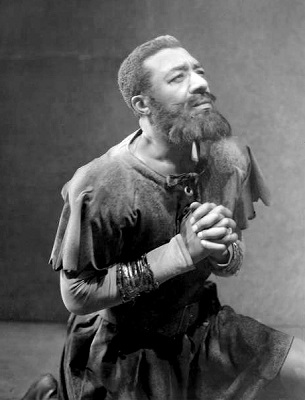
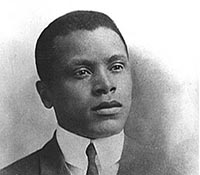
Daniel L. Haynes was a pioneering American actor whose work in early 20th-century stage and cinema helped expand the presence and complexity of Black performers in U.S. entertainment history.
Born Daniel Leo Haynes on June 6, 1889 in Atlanta, GA, he grew up in an era when systemic racism and segregation severely limited opportunities for African American artists in the performing arts. While detailed records of his formal education are scarce, Haynes refined his craft through theater and performance in touring and Broadway productions, developing his skills as both an actor and singer long before making his transition to the silver screen.
Early influences on his artistic sensibility included the rich traditions of Black musical and dramatic expression common in the South and within Black theater communities, particularly in cities like New York during the Harlem Renaissance.
Haynes’s most lasting legacy originates from his groundbreaking role as Zeke in King Vidor’s 1929 film Hallelujah, one of the first significant Hollywood productions featuring an all-Black cast by a major studio, Metro-Goldwyn-Mayer. His performance infused depth and humanity into a character grappling with faith, temptation, and resilience at a time when portrayals of Black life were scarce and often stereotyped.
Hallelujah is now recognized as culturally and historically significant, capturing the rhythms, spiritual traditions, and social contexts of African American communities that mainstream cinema largely overlooked. Haynes appeared alongside peers such as Nina Mae McKinney and William Fountaine, who were also trailblazing new paths for Black actors during the early sound era.
Throughout his career, Haynes adeptly transitioned between mediums, featuring in films like The Last Mile, Mary Burns, Fugitive, and So Red the Rose, while maintaining a vibrant stage presence. On Broadway, he showcased his versatility in productions such as The Bottom of the Cup, Earth, The Green Pastures, and a 1938 rendition of Androcles and the Lion, encompassing roles that ranged from dramatic leads to adaptations of classical works.
Although he did not receive the widespread recognition of awards that would come to be established later in the 20th century, his contributions are historically honored as part of the pioneering group of Black performers who paved the way for future generations of actors.
His contemporaries and collaborators included not only his co-stars but also notable figures like Paul Robeson from Show Boat, for whom Haynes understudied onstage, reflecting the rich artistic networks forged by Black actors during that era.
In his later years, Haynes stepped away from show business to devote himself to religious service as a Baptist minister, a role that resonated deeply with the spiritual themes present in much of his impactful work. He passed away on July 28, 1954, in Kingston, NY, leaving a legacy intertwined with key cultural moments in American entertainment and African American history.
The influence of Daniel L. Haynes continues to resonate through the actors he inspired — those who sought broader and more nuanced roles for Black artists — and in the enduring recognition of films like Hallelujah, which are still studied for their artistic and social significance.