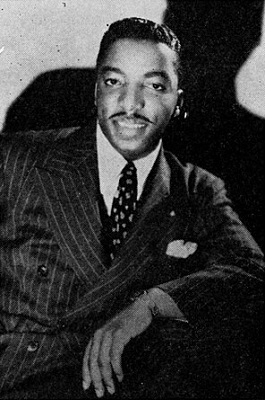
Erskine Hawkins
July 26 …
Erskine Hawkins was a renowned American musician, bandleader, and trumpeter who made significant contributions to the development of jazz and big band music during the 1930s and 1940s.
Often dubbed the “20th Century Gabriel,” Hawkins was a pivotal figure in the evolution of swing and jazz, leaving an enduring impact on American music and culture. His inventive trumpet technique and leadership of one of the era’s most acclaimed big bands played a crucial role in defining the genre, influencing countless musicians who followed.
Born on July 26, 1914 in Birmingham, AL, Hawkins was surrounded by music from an early age and studied with Fess Whatley before going off to college. He received formal training at the renowned Tuskegee Institute, where he refined his trumpet skills and developed a profound appreciation for both classical and popular music.
After completing his studies, Hawkins performed with a number of jazz legends, which allowed him to further hone his craft and absorb contemporary styles. Although initially influenced by Louis Armstrong and the pioneering trumpet techniques of his peers, it was Hawkins’ unique ability to fuse the technical precision of classical music with the improvisational freedom of jazz that distinguished him.
In 1934, Hawkins established his own big band, which rapidly became one of the most popular and influential orchestras of the swing era. Known for its vibrant performances, intricate arrangements, and a cohesive brass section, Hawkins often took center stage with his powerful trumpet solos.
His compositions, such as “Tuxedo Junction,” became classics that helped define the sound of the swing era and solidified his status in jazz history. The band’s signature style combined the improvisational spirit of jazz with the discipline and structure characteristic of big band music. Among his peers, Hawkins was celebrated for his ability to flow seamlessly between smooth melodies and complex, fast-paced improvisations.
Throughout his career, Hawkins received guidance from some of the most significant figures in jazz, including influential bandleaders like Fletcher Henderson and Duke Ellington, who shaped his understanding of big band leadership and orchestration. He was also deeply inspired by the rhythms of blues, gospel, and other African American musical traditions, which lent richness and authenticity to his performances.
Hawkins collaborated with several legendary musicians, such as trombonist J.J. Johnson, saxophonist Johnny Hodges, and pianist Count Basie. As a mentor, he played a vital role in nurturing the careers of younger jazz talents, including trumpeter Clifford Brown, whose style was greatly influenced by Hawkins’ bold approach.
Hawkins’ work garnered him widespread acclaim and numerous accolades throughout his life. A trailblazer in the jazz sphere, his influence reached far beyond the swing era. Music historians recognized his contributions to the development of jazz trumpet technique, and he received multiple honors for his artistry and impact on American music.
Despite facing racial challenges in a segregated America, the music of Erskine Hawkins broke barriers, and his legacy endures as one of the master architects of American jazz.