


Vivian Ayers Allen

July 29 …
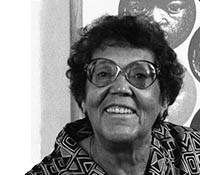
Vivian Ayers Allen was a prolific poet, cultural activist, museum founder, and classicist whose writing, community programs, and preservation work helped shape mid- to late-20th-century Black literary and cultural life in the United States.
Born July 29, 1923 in Chester, SC, Allen’s educational journey began at the historic Brainerd Institute, followed by studies at Barber-Scotia College and Bennett College, where she focused on languages and music during her youth. She later delved into classical Greek through courses at prestigious institutions like Rice and Columbia. There, she honed her literary skills over decades of teaching, library service, and active participation in both regional and national arts communities, rather than through a single formal graduate program.
Allen’s Southern upbringing and family life — notably as the mother of performers Debbie Allen and Phylicia Rashad — profoundly influenced her work and public life.
Allen’s remarkable achievements include celebrated poetry collections, impactful community arts initiatives, and the establishment of significant institutions. Her early work, Spices of Dawns (sometimes referred to as “Spices of Darn”), garnered attention for a Pulitzer Prize nomination.
Additionally, her lengthy poem “Hawk,” published in the late 1950s, was hailed for its prophetic, space-age allegory and recognized by NASA. Throughout her career, she also produced numerous plays and essays.
In Houston, she served as a librarian at Rice University, becoming the institution’s first Black faculty member, and created the “Workshops in Open Fields” community arts-education program, which received endorsement from the National Endowment for the Arts. Later, she founded and directed the Brainerd Institute Heritage to preserve and rejuvenate her alma mater’s historic campus in Chester.
Allen drew inspiration from a wide range of intellectual influences, including classical literature, African and Indigenous cultural histories, Black southern oral traditions, as well as modernist and socially engaged poets from her time. She studied and translated Mayan texts and incorporated classical Greek into her work.
Allen engaged with literary and arts networks that included peers in Black literatures and civic arts leaders who supported community arts models — Nancy Hanks of the NEA being connected to her workshops program. Her contemporaries encompassed mid-century African-American writers and cultural activists.
The success of Allen’s daughters — Debbie Allen and Phylicia Rashad — in theater, film, and television fostered multi-generational collaborations with performers and creators, including Angela Bassett, further linking her legacy to the arts community. Though her named protégés are less frequently mentioned in records, she is widely acknowledged as an inspiration and a direct influence on younger writers and arts educators in her communities.
Allen’s accolades reflect both her literary achievements and civic contributions, including early Pulitzer Prize nomination attention for her poetry, honorary doctorates from Wilberforce University and Bennett College, advisory roles with the National Endowment for the Arts, and exhibitions at the Lyndon B. Johnson Space Center.
Later in her life, Allen received lifetime and heritage recognitions connected to the restoration and programming at Brainerd Institute. Her cultural legacy persists through her poetry’s unique blend of classical erudition and Black southern imagination, her practical approaches to community arts education, and her commitment to preserving historic Black educational sites.
The contributions of Vivian Ayers Allen greatly influenced regional arts infrastructures and expanded opportunities for Black women as public intellectuals, cultural stewards, and transdisciplinary artists.
