


USCT
May 22 …
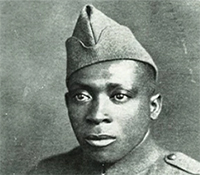
The United States Colored Troops (USCT) were a significant force in the Union Army during the American Civil War, representing a powerful shift in both military strategy and the nation’s evolving view of African American citizenship. Their regiments were precursors to the Buffalo Soldiers.
Established by the Bureau of Colored Troops on May 22, 1863, following the Emancipation Proclamation, the USCT encompassed over 180,000 Black soldiers and thousands of Black sailors who served in segregated regiments. These men, many of whom were formerly enslaved, volunteered not only to fight for the Union cause but also to stake a claim to their own freedom and humanity. Their enlistment was a crucial step toward redefining the role of African Americans in American society.
The formation of the USCT was met with resistance and skepticism. Many white Americans, including military officials, doubted whether Black soldiers could perform effectively in combat. Despite this, USCT regiments went on to prove their valor in major battles such as the Siege of Petersburg, the Battle of Fort Wagner, and the Battle of Nashville.
Their discipline and courage under fire gained the respect of allies and even some former doubters. The soldiers endured harsher conditions, lower pay, and greater danger — particularly if captured by Confederate forces who often refused to treat them as legitimate combatants — but they continued to serve with distinction and resolve.
Beyond the battlefield, the presence of Black soldiers in Union uniforms had powerful symbolic meaning. Their participation challenged the Confederacy’s ideological foundation and began to shift Northern perceptions of African American capabilities and rights.
The sight of armed Black men fighting for their country under the U.S. flag was a profound image that pushed the boundaries of what freedom and equality could mean in practice. It helped create momentum for the passage of the 13th Amendment, which abolished slavery, and laid moral and political groundwork for future civil rights progress.
The USCT also had a lasting impact on African American communities and leadership. Veterans of these regiments often returned home with a stronger sense of purpose and a claim to citizenship that would inform later efforts in Reconstruction and beyond. Many became local leaders, educators, ministers, and activists.
Their service inspired organizations and political movements that would continue to push for full equality in the decades to come. The military experience also helped forge a sense of shared identity and pride within the African American population, reinforcing the notion that they were not just beneficiaries of freedom, but active agents in achieving it.
The contributions of the USCT remain a vital chapter in American history. Their courage on the battlefield and their determination to fight for liberty played an essential role in securing Union victory and transforming the moral landscape of the nation. By demanding the right to serve, they helped redefine what it meant to be American and laid a foundation for the continuing struggle for racial justice.
Today, the legacy of the United States Colored Troops endures as a testament to sacrifice, resilience, and the unyielding pursuit of freedom in the face of profound adversity.
