






July 19 …
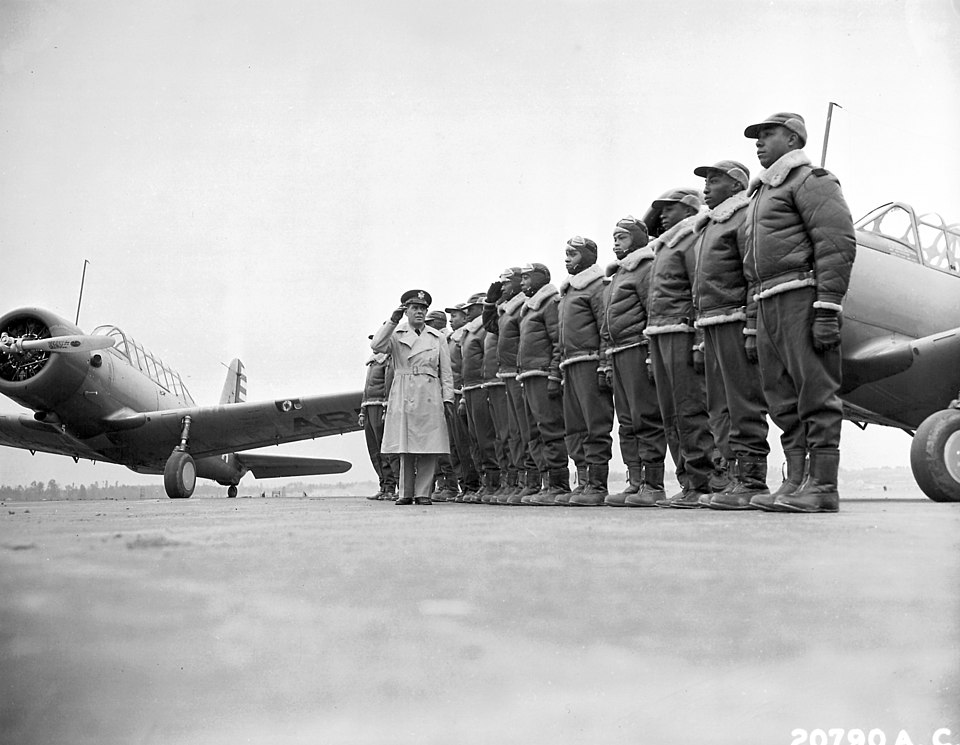
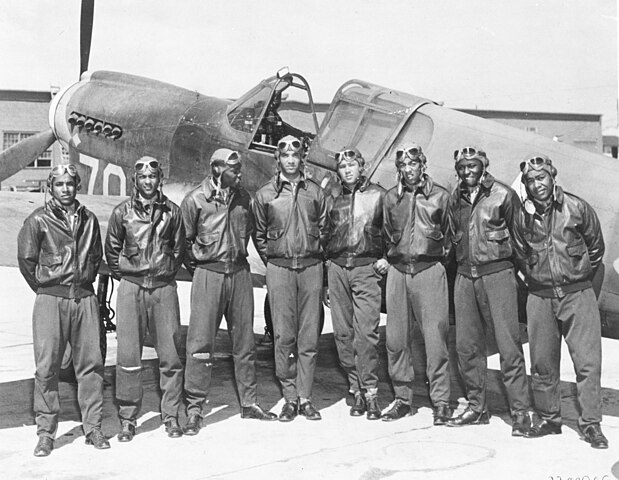
Thirteen African American men were enrolled as aviation cadets (42-C) in preflight training at Tuskegee Institute on July 19, 1941. Today, this select group is remembered as the first in a class of many courageous individuals collectively known as the Tuskegee Airmen.

Color poster of an Airman (probably Lt. Robert W. Diez) by an unidentified artist (1943).
The Airmen were a group of African American military aviators who made history during World War II by overcoming racial prejudice and proving their worth as skilled pilots and soldiers. Their story began in the late 1930s, when the U.S. Army Air Corps, reluctant to allow African Americans into its ranks, faced growing pressure to change.
Amid this resistance, President Franklin D. Roosevelt issued an executive order in 1941 that established the Tuskegee Army Airfield in Alabama, marking the beginning of a new era for African Americans in aviation. The Airmen were trained here, and from this segregated base, they would go on to challenge the racial barriers of the military and prove their abilities on the world stage.
Initially, the U.S. military was hesitant about allowing African Americans to fly combat missions, and the Airmen faced numerous obstacles from both their fellow soldiers and the public. Yet, despite the racism they encountered, they excelled in their training and became proficient pilots. They were trained under the supervision of white officers, but their accomplishments soon silenced critics.
The group’s perseverance and determination helped break the barriers that had long prevented African Americans from serving in significant military roles. In 1943, the first group of Tuskegee-trained pilots was deployed to fight in Europe, where they earned a distinguished reputation.
The Airmen flew over 15,000 combat sorties in Europe and North Africa during World War II, with their primary missions being escorting bombers and engaging in dogfights against enemy aircraft. Their remarkable success rate in protecting bombers, with fewer losses compared to other units, became one of their crowning achievements.
The 99th Fighter Squadron, which was the first African American fighter squadron, earned respect for its discipline, skill, and bravery. The men of the 332nd Fighter Group, which included the 99th Squadron and other units, became known as the “Red Tails” due to the distinctive red markings on the tails of their aircraft, which helped identify them in the skies.
One of the most notable contributions of the Airmen was their success in escorting heavy bombers to and from their targets. Bombing missions over Nazi-occupied Europe were some of the most dangerous of the war, and the Tuskegee Airmen’s effectiveness in guarding the bombers reduced their casualty rates.
The Airmen were praised for their professionalism and precision in combat, leading to a strong reputation among their fellow soldiers and the broader military leadership. This success not only contributed to the Allies’ victories but also helped dispel the myths and prejudices that had long held back African Americans from entering the armed forces.


The legacy of the Airmen extended far beyond the war. Their exemplary service helped pave the way for the desegregation of the U.S. Armed Forces, which was formally accomplished in 1948 through President Harry Truman’s Executive Order 9981.
The Tuskegee Airmen’s accomplishments showed the U.S. military and the American public that African Americans were capable of serving in all areas of the armed forces, not only as support staff but as combatants and leaders. This shift helped dismantle racial barriers in the military and played a key role in the broader Civil Rights Movement of the 1950s and 1960s.
Their contributions continued to resonate in the years after the war. Many Airmen returned home to find that they still faced discrimination in civilian life, but they had set a precedent for future generations.
Their story became a powerful symbol of overcoming adversity, demonstrating that race should never determine a person’s abilities or worth. Their service also inspired numerous African Americans to pursue careers in aviation, the military, and other fields that were once closed to them.
 In the years following World War II, the Airmen received numerous honors and recognition for their bravery and contributions. In 2007, they were awarded the Congressional Gold Medal, a fitting tribute to their courage and sacrifices. They are remembered not only for their valor in combat but also for their enduring role in challenging and changing the racial dynamics of the U.S. military and society.
Today, their story serves as an enduring reminder of the resilience of those who fought for equality, not just in battle, but in all aspects of American life. It is one of triumph in the face of adversity — they overcame racial prejudice, proved their skills as aviators, and contributed to the success of the United States during one of its most challenging times.
The legacy of the Tuskegee Airmen continues to inspire future generations to strive for excellence and to fight for justice, making them not only heroes of war but also pioneers of civil rights and social change in America.
