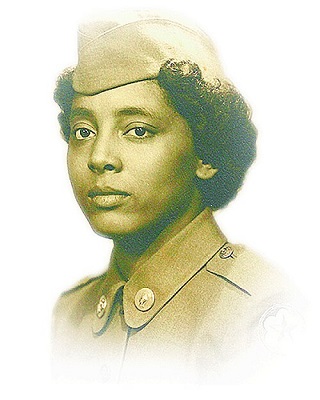
Sarah Louise Keys

March 30 …
Sarah Louise Keys was a pivotal figure in the struggle for civil rights in America, known for her courageous fight against racial segregation in interstate travel.
Keys’ legal battle against the Carolina Coach Company played a pivotal role in paving the way for further desegregation efforts in public transportation, marking a significant milestone in the history of American civil rights.
Born on March 30, 1928 in Washington, NC, Keys grew up during the oppressive era of Jim Crow laws, which enforced racial segregation throughout the South. Despite these racial barriers, she excelled academically and became one of the first African American women to join the Women’s Army Corps during World War II.
After her service, Keys returned to North Carolina, where she actively participated in the Civil Rights Movement, witnessing firsthand the pervasive segregation that continued to shape American society. She later pursued higher education, refining her legal skills and deepening her understanding of the law, ultimately deciding to confront discriminatory practices directly.
In 1952, Keys gained national attention when she was arrested for refusing to move to the back of a segregated bus in North Carolina while traveling from her base in Fort Dix, NJ to her home in North Carolina. This arrest highlighted a systematic pattern of racial discrimination in public accommodations.
Keys’ case — brought before the Interstate Commerce Commission (ICC) by law partners Julius Robertson and Dovey Johnson Roundtree — aimed to challenge segregation in interstate travel facilities. The landmark ruling in Keys v. Carolina Coach Co. favored Keys, compelling the company to cease its segregation practices. This decision not only had significant legal implications, but also reinforced the federal government’s responsibility in regulating interstate commerce and ensuring equal treatment for all citizens, regardless of race.
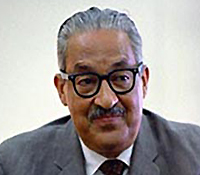
Throughout her life, Keys was influenced and mentored by prominent figures in the Civil Rights Movement, including Thurgood Marshall, who played a crucial role in the legal battles that followed her case. Surrounded by a network of activists, lawyers, and peers like Rosa Parks, she championed equality and justice in every facet of American life.
Although Keys did not receive widespread recognition during her lifetime, her case became an essential part of the narrative leading to the eventual desegregation of public transportation in the U.S. Over the years, she received numerous honors and accolades for her contributions to civil rights, earning recognition from various civil rights organizations and legal institutions.
The work of Sarah Louise Keys not only dismantled segregation in transportation but also fostered the broader movement for racial equality in America, leaving a lasting legacy in both legal and social realms.