


Sam Cooke

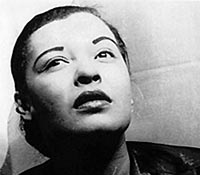
January 22 …
Sam Cooke was a transformative figure in music whose pioneering blend of gospel, pop, and rhythm and blues helped shape soul music while advancing artistic independence and influencing the cultural and social landscape of the United States.
Born Samuel Cook on January 22, 1931 in Clarksdale, MS, Cooke was raised in Chicago in a devout household as the son of Reverend Charles Cook, a Baptist minister. From a young age, he was immersed in gospel music, performing alongside his siblings before joining the acclaimed gospel group, The Soul Stirrers, in 1950.
Cooke’s education mainly took place in Chicago’s public schools, where he juggled academics with music, cultivating a smooth vocal style that set him apart from his peers. Inspired by gospel trailblazers like Mahalia Jackson and secular artists such as Nat King Cole, Cooke aspired to forge a path that connected sacred and popular music traditions.
Cooke’s shift from gospel to secular music in the mid-1950s was a pivotal moment in American popular culture. With hits like “You Send Me,” “Cupid,” and “Twistin’ the Night Away,” he became one of the first Black artists to achieve significant crossover success with white audiences while retaining artistic control.
Cooke established SAR Records and his own publishing company, positioning himself as one of the first Black musicians to assert ownership over his work and business interests in a segregated industry. His songwriting and vocal innovation played a crucial role in shaping the emerging soul genre, influencing countless artists and transforming the landscape of American music.
Throughout his career, Cooke was both a contemporary and an inspiration to major figures in music and civil rights, such as Ray Charles, Aretha Franklin, and James Brown. He also maintained relationships with key activists like Malcolm X and Muhammad Ali, reflecting his increasing involvement in the Civil Rights Movement. His song “A Change Is Gonna Come,” which drew from both personal experiences of racial discrimination and the broader struggle for equality, became an enduring anthem of the movement.
Cooke’s legacy as a mentor and model for artistic independence paved the way for later artists like Marvin Gaye and Stevie Wonder. They followed his lead in blending social consciousness with musical innovation.
Though his life was tragically cut short when he died on December 11, 1964 — at the age of 33 — Cooke has been recognized with numerous honors, including induction into the Rock and Roll Hall of Fame and a Grammy Lifetime Achievement Award. His recordings remain celebrated as some of the most influential in American history, and his contributions to music, business, and civil rights have laid the groundwork for future generations.
The artistry of Sam Cooke not only transformed the soundscape of American culture, but also expanded the possibilities for Black artists to control their creative and economic futures, leaving an indelible mark on society, culture, and history.
