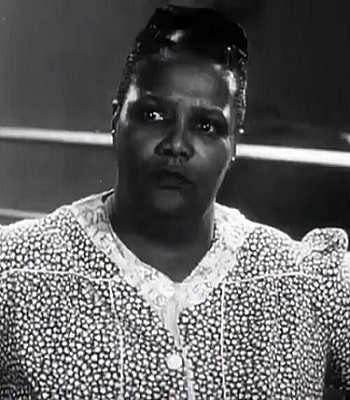
Ruby Dandridge

March 3 …
Ruby Dandridge was a pioneering American actress, comedian, singer, and radio performer whose career in early twentieth-century entertainment helped open doors for Black women in Hollywood and shaped the artistic legacy of her famous daughter.
Born on March 3, 1900 in Wichita, KS, Dandridge grew up during a period when opportunities for African American performers were limited by segregation and discrimination. Despite these barriers, she developed an early interest in music and stage performance and eventually moved into touring theatrical circuits that catered to Black audiences.
She married Cyril Dandridge and later raised two daughters, including future star Dorothy Dandridge and performer Vivian Dandridge. Ruby played a central role in guiding her daughters’ early careers, organizing them as a youthful singing act that performed in churches, theaters, and on touring circuits across the country.
While she had no extensive formal academic training in the performing arts, she gained professional experience through stage work, music, and comedy routines that reflected the vibrant traditions of African American entertainment in the early twentieth century.
During the 1930s and 1940s, Dandridge became part of the Hollywood studio system, appearing in numerous films and gaining recognition as a character actress. She appeared in productions such as A Day at the Races with the Marx Brothers and later in the popular radio comedy program Amos ‘n’ Andy, which eventually transitioned to television as The Amos ‘n’ Andy Show. Her work in these productions helped make her one of the earliest Black actresses to find steady employment in film and broadcast media during an era when roles for African Americans were scarce.
Dandridge’s performances often blended humor and musicality, reflecting influences from vaudeville and Black musical revues. Although the roles she received were frequently shaped by the racial stereotypes common in Hollywood at the time, her presence contributed to expanding visibility for Black performers in mainstream American entertainment.
Dandridge worked alongside and within the same era as many notable entertainers who were redefining Black performance in American culture, including figures such as Ethel Waters, Lena Horne, and Cab Calloway. She also played a formative mentoring role in the life and career of her daughter Dorothy Dandridge, whose later success in films like Carmen Jones would break historic barriers in Hollywood.
While Dandridge did not receive major awards during her lifetime, her influence lives on through the generations of performers she helped inspire.
As an early Black female entertainer navigating stage, radio, film, and television, Ruby Dandridge helped establish a path for African American women in entertainment and contributed to the cultural foundation that later artists would build upon in American media and popular culture.