


Nina Simone

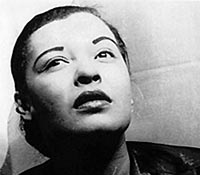
February 21 …
Nina Simone was a prodigious talent whose work as a singer, pianist, and songwriter forever changed the landscape of American music.
Born Eunice Kathleen Waymon on February 21, 1933 in Tryon, NC, Simone was a classically trained pianist from a young age who aspired to become the first Black classical concert pianist in America.
Her dreams were met with racial barriers when she was denied admission to the Curtis Institute of Music, a pivotal moment that would deeply influence her later work and activism. Despite the setback, she began performing in nightclubs under her new public pseudonym to hide her identity from her devoutly religious family, gradually crafting a sound that was a rich blend of classical, jazz, blues, folk, and gospel.
Simone’s music was characterized by its emotional intensity and her unparalleled ability to convey pain, longing, and power through her voice and piano. Songs like “I Loves You, Porgy,” “My Baby Just Cares for Me,” and “Feeling Good” displayed her technical brilliance and deep interpretive skill.
However, it was her original compositions and performances that became a voice for the voiceless during a turbulent time in American history. With songs like “Mississippi Goddam,” “To Be Young, Gifted and Black,” and “Four Women,” Simone gave a resounding and unapologetic voice to the struggles and resilience of African Americans during the Civil Rights Movement.
Her artistry was inseparable from her activism. As the Civil Rights Movement gained momentum, Simone used her platform to challenge racial injustice and call for liberation. She was inspired by the assassinations of Medgar Evers and the four young girls killed in the 1963 Birmingham church bombing, and her outrage transformed into powerful musical protest.
Unlike many artists who sought commercial success by avoiding politics, Simone leaned into the urgency of the times, using her music as a form of resistance. Her boldness often led to professional consequences, but she remained uncompromising in her beliefs.
Simone’s work resonated not only for its political power, but also for its psychological depth. Her songs often explored the internal lives of Black women, portraying their beauty, pain, and complexity in ways rarely seen in mainstream media. Through her emotionally raw performances, she carved out space for Black women’s voices in the cultural conversation, offering portraits that were proud, defiant, and fully human. She made audiences confront uncomfortable truths while also celebrating Black identity and resilience with profound grace and force.
Over the course of her career, Simone recorded more than 40 albums and performed around the world. Though she often struggled with the pressures of fame, financial instability, and mental health challenges, her artistry remained indelible. She eventually settled in Europe, where she spent much of her later life, though her influence continued to grow globally. Hew ability to meld beauty and resistance made her a singular figure in the pantheon of American music, and her work has inspired generations of artists, from Lauryn Hill to Alicia Keys to John Legend.
Nina Simone’s legacy is monumental. She was not just a musician, but a truth-teller, a cultural force, and an architect of modern protest music. Her contributions extended beyond entertainment — they reshaped the possibilities of what music could do in the face of injustice.
Through her relentless honesty, extraordinary talent, and unwavering dedication to freedom and dignity, Nina Simone helped change the course of American culture and history. Her voice still echoes as a call to remember, to resist, and to rise.
* Photo courtesy of Re-Emerging Films
