


Michael Lomax

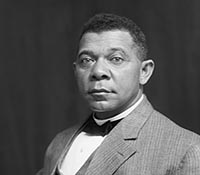


October 2 …
Michael Lomax is an influential figure in American education, social justice, and cultural advancement, known for his leadership in advocating for racial equity, educational reform, and the arts. Through his roles as an educator, political leader, and philanthropist, he has made a lasting impact on American society, especially for Black communities.
Born on October 2, 1947 in Los Angeles, Lomax exhibited remarkable academic potential and a profound dedication to social justice from an early age. He graduated from Morehouse College, a prestigious historically Black institution in Atlanta, where he was profoundly influenced by the insights of esteemed African American scholars and activists.
Lomax furthered his education at the University of Oxford, earning a master’s degree in English literature. His intellectual curiosity and passion for education would later shape his career, driving him to become a vigorous advocate for accessible and equitable education, especially for marginalized communities. His academic credentials, paired with his activism experience, established a robust foundation for his future pursuits.
Lomax’s career was distinguished by numerous achievements and key leadership roles. He served as president of the United Negro College Fund (UNCF) for several years, during which his efforts secured substantial funding for Historically Black Colleges and Universities (HBCUs). His tenure at UNCF was characterized by a commitment to raising awareness about the challenges faced by HBCUs, while also obtaining resources to sustain and expand these institutions.
Lomax made history as the first African American president of the Atlanta Board of Education. He later took on a leadership role in the Fulton County School District. Beyond his contributions to education, he emerged as a passionate advocate for the arts, underscoring the significance of arts education as essential to student development.
Throughout his career, Lomax benefited from the mentorship of several prominent figures in education and social justice, including civil rights leaders and distinguished African American scholars. His exchanges with influential individuals like the late Congressman John Lewis, a fellow Morehouse College alumnus, profoundly influenced his perspectives on education and politics.
Lomax’s contemporaries, such as other notable African American leaders in education and civil rights like Cornel West and Julian Bond, shared his commitment to advancing racial justice and reforming public education. His work has inspired numerous protégés, many of whom have risen to prominent positions in education, politics, and the arts, continuing his mission to create an inclusive society that prioritizes education and equality.
Lomax’s impact has been widely acknowledged through various accolades and honors. He has received prestigious awards such as the National Humanities Medal and recognition from civil rights organizations, celebrating his lifelong commitment to enhancing educational opportunities for all students, irrespective of race or background.
His efforts have amplified the voices of historically underrepresented groups in American society. As a staunch champion of HBCUs and a proponent of education’s role in shaping public policy, Lomax’s legacy transcends the institutions he has led.
The advocacy of Michael Lomax remains crucial in driving reforms that guarantee all students access to high-quality education, serving as a model for future leaders in both education and social justice.
