
October 19 …
Melba Moore, emerged as one of the most dynamic and resilient figures in American music and entertainment.
Born Beatrice Melba Hill on October 29, 1945 in New York City, the daughter of saxophonist Teddy Hill and R&B singer Bonnie Davis was surrounded by music from an early age. Her upbringing in Harlem, one of the cultural capitals of Black America, laid the foundation for her artistic development.
Moore studied at Montclair State College, initially pursuing a career in education, but the pull of music proved irresistible. Her early forays into the music scene included session work and backup singing, eventually leading to her breakthrough on Broadway.
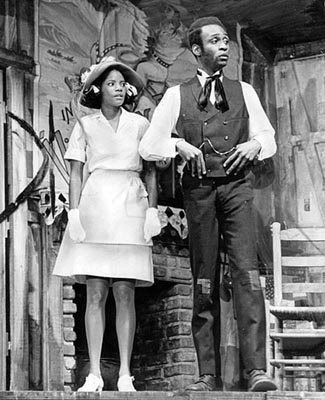
Moore’s ascent to stardom began with her Tony Award-winning performance in the musical Purlie in 1970, making her the first African American woman to win in the category of Best Performance by a Featured Actress in a Musical. Her success on stage opened doors not only in theater, but in recording and television as well.
Moore used her platform to challenge racial barriers, often taking roles that defied stereotypical casting and showcased the depth and versatility of Black talent. In an era of racial tension and limited opportunity, her achievements marked a significant cultural milestone, both as a performer and as a role model for future generations.
In the 1970s and 1980s, Moore transitioned into a prolific recording career, carving out a unique niche in the realms of R&B, soul, and disco. Her powerful, multi-octave voice delivered chart-topping hits such as “This Is It,” “Love’s Comin’ at Ya,” and “You Stepped Into My Life.” These songs became anthems of liberation and joy, resonating particularly with marginalized communities.
Moore’s music not only captured the spirit of the times but also contributed to shaping the sonic identity of Black American music in the post-Civil Rights era. Her sound blended sophistication with soul, making her a beloved figure on dance floors and radio airwaves alike.
Beyond her musical success, Moore also became a visible and vocal advocate for social issues. She used her fame to highlight injustices and speak out on behalf of the underrepresented. Whether performing at benefits for AIDS awareness, supporting civil rights causes, or mentoring young artists, shee understood the power of celebrity as a vehicle for change.
Moore’s commitment to community uplift made her more than a performer — she became a cultural steward. Her career was not without challenges, including personal and financial hardships, but her persistence and faith never wavered, reinforcing her image as a figure of hope and endurance.
In the broader context of American cultural history, Moore’s career is a testament to the resilience of Black artistry. She was part of a generation that navigated the entertainment industry during a period of profound transformation, pushing against institutional boundaries to carve out space for authentic Black expression.
Moore’s contributions helped expand the visibility of African American women in media and provided a model of artistic integrity and perseverance. Her crossover appeal and ability to bridge different genres and media platforms also underscore her cultural versatility and enduring relevance.
Even into the 21st century, Moore remains a celebrated icon, honored with accolades including a star on the Hollywood Walk of Fame and continued recognition for her trailblazing work. Her voice, both literal and metaphorical, has left an indelible mark on American music and culture. As an artist, actress, and activist, her legacy is one of innovation, courage, and unwavering dedication to her craft and community.
The story about Melba Moore is not just a biography of success, it is a narrative of how art can inspire transformation and elevate the human spirit across generations.
About The Photo:
- Melba Moore and Cleavon Little from the Broadway musical “Purlie” taken in 1970. (Zodiac Photographers, New York)