Martha Reeves
July 18 …
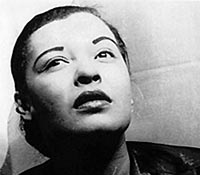
Martha Reeves is a soul and pop singer best known as the lead voice of Motown’s Martha and The Vandellas, a group that helped define the sound of 1960s popular music through high-energy hits and enduring cultural influence.
Also known as Martha LaVaille, Reeves was born on July 18, 1941 in Eufaula, AL. She moved as a baby with her family to Detroit, where music became a centerpiece. Her grandfather, Reverend Elijah Reeves, was a church minister, and her early musical formation was rooted in church singing and choir life. Growing up immersed in gospel music, she developed influences that would later manifest in her powerful vocal delivery and emotive phrasing, drawing inspiration from idols such as Lena Horne and Della Reese.
Reeves attended Northeastern High School in Detroit, where her vocal coaching included Abraham Silver, who also trained legendary performers like Florence Ballard and Mary Wilson of The Supremes, as well as Bobby Rogers of The Miracles. In addition to the gospel influences, her musical direction was reflective of the vibrant Detroit R&B and doo-wop scenes that surrounded her.
Reeves’ professional breakthrough came within the Motown ecosystem, where she caught the attention of William Stevenson (aka Mickey Stevenson), an executive involved in A&R and artist development. She co-founded the groups that would evolve into Martha and The Vandellas and became the group’s consistent lead vocalist, helping to establish “The Vandellas” sound — a blend of pop accessibility with a more grounded, rhythm-driven energy.
With Martha and The Vandellas, Reeves celebrated significant chart successes. This included hits like “(Love Is Like a) Heat Wave,” “Dancing in the Street,” and other iconic tracks such as “Nowhere to Run,” “Quicksand,” “Jimmy Mack,” and “I’m Ready for Love,” solidifying the group as one Motown’s most prominent ambassadors to mainstream audiences.
Reeves’ influence reached beyond music, impacting American entertainment and culture. The Vandellas’ dynamic performances set a standard for how Black girl groups could be both sophisticated and relatable, while also appealing to radio and television audiences, helping to elevate Motown into a national, cross-demographic phenomenon. Within this influential network, she collaborated with notable figures such as Stevenson, Marvin Gaye, and Ivy Jo Hunter, positioning the Vandellas alongside contemporaries like the Supremes and the Marvelettes, contributing to the evolution of the “Motown Sound” that defined 1960s popular music.
Reeves’ accolades include major industry recognitions. Martha and The Vandellas were inducted into the Rock and Roll Hall of Fame in 1995, becoming only the second all-female act to receive this honor. They were also awarded the Pioneer Award from the Rhythm and Blues Foundation in 1993. Their song “Dancing in the Street” was added to the Grammy Hall of Fame, and their work has been acknowledged for its historical significance in various cultural heritage registries.
Beyond her musical contributions, Martha Reeves took an active role in public service in Detroit as an elected city council member, demonstrating how her public profile translated into civic leadership. Ultimately, her career serves as a bridge between Motown’s studio artistry and the broader American narrative of entertainment’s profound impact on social and cultural life.