

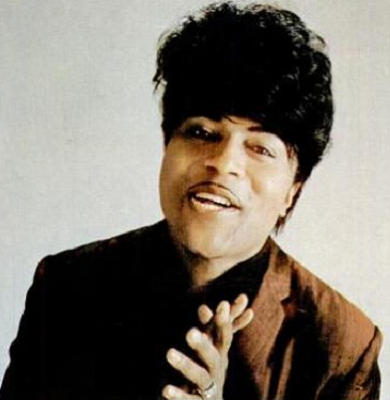
Little Richard
December 5 …
Listen to this story:
Little Richard was a revolutionary figure in American music whose energy, flamboyance, and boundary-shattering style helped shape the birth of rock and roll.
Born Richard Wayne Penniman on December 5, 1932 in Macon, GA and raised in a deeply religious and musically inclined household, Richard’s early exposure to gospel music and Pentecostal church services laid the foundation for his electrifying stage presence. Despite the challenges of growing up in a segregated Southern town and navigating a complicated relationship with his identity, Richard found refuge in music, where he could channel his extraordinary talent and charisma.
By the early 1950s, Richard began performing in clubs and recording R&B tracks, but it wasn’t until the release of “Tutti Frutti” in 1955 that he exploded onto the national scene. With its ecstatic falsetto whoops, driving piano rhythms, and sexually charged lyrics, the song broke new ground. It introduced mainstream audiences to a sound that fused gospel fervor, boogie-woogie piano, and rhythm and blues into something entirely new: rock and roll. Songs like “Long Tall Sally,” “Good Golly Miss Molly,” and “Lucille” followed, each a high-octane testament to Richard’s unique artistry and raw musical power.
Little Richard’s influence on American music cannot be overstated. His style informed the vocal and performance approaches of countless artists, including Elvis Presley, James Brown, The Beatles, and Prince. He was one of the first artists to blend Black gospel intensity with secular rhythm and blues in a way that captivated both Black and white audiences. His exuberant energy, pompadour hairstyle, and flashy wardrobe made him a larger-than-life figure and a trailblazer for future performers who challenged societal norms of race, gender, and sexuality through music and self-expression.
As a Black artist in the Jim Crow era, Richard faced systemic racism even as he rose to fame. Segregated venues often forced him to perform for white audiences while Black fans were excluded or segregated. Despite this, his popularity helped break down racial barriers in entertainment, as his music appealed to integrated audiences and brought people together through shared cultural experience. His success forced promoters, radio stations, and television producers to acknowledge the commercial power of Black performers, opening doors for future generations.
Beyond his musical innovations, Richard was a cultural provocateur who challenged traditional norms of masculinity and sexuality. His androgynous appearance, makeup, and flamboyant manner were shocking to conservative America, but deeply liberating for fans who saw in him a bold defiance of rigid expectations.
In many ways, Richard laid the groundwork not only for the sound of rock and roll, but also for the genre’s rebellious, gender-bending ethos. His unapologetic self-expression carved out space for individuality and freedom in popular culture.
Later in life, Richard’s relationship with his career and identity became more complex. He temporarily left the music industry to pursue religious ministry, denouncing rock and roll as sinful, only to return to performance with renewed energy. His ambivalence reflected the inner struggle between his religious upbringing and the secular world he helped define. Still, he remained a beloved and influential figure, earning accolades such as a place in the inaugural class of the Rock and Roll Hall of Fame in 1986 and receiving lifetime achievement awards that recognized his foundational role in shaping modern music.
Richard died on May 9, 2020, but his legacy endures in the echoes of rock, soul, funk, and pop music. More than just a performer, he was a revolutionary force who expanded the possibilities of what music could sound like and who it could represent. His fearless creativity and electric stage presence redefined American music, and his cultural impact continues to resonate through every artist who dares to be bold, different, and true to themselves.
Little Richard was not just the architect of rock and roll — he was its living embodiment.
