Kwanzaa Kujichagulia

December 27 …
Kwanzaa is a week-long cultural holiday celebrated from December 26 to January 1 in the United States.
December 27 is the second day of Kwanzaa — the principle of Kujichagulia or Self-Determination.
“Kujichagulia” means “Self-Determination,” and it highlights the importance of defining oneself, making independent choices, and determining one’s future. This principle encourages people to take charge of their lives and create their own path.
On this day, individuals and communities are encouraged to reflect on their identity, history, and the power they hold to shape their destiny. A practical example could be someone starting a new business that reflects their values or a community establishing programs that foster empowerment, such as mentoring or education initiatives.
Each of the seven days of Kwanzaa is dedicated to one of the seven principles of Kwanzaa, known as the Nguzo Saba. These principles reflect core values that guide how individuals and communities can live in harmony and contribute to the well-being of the collective.
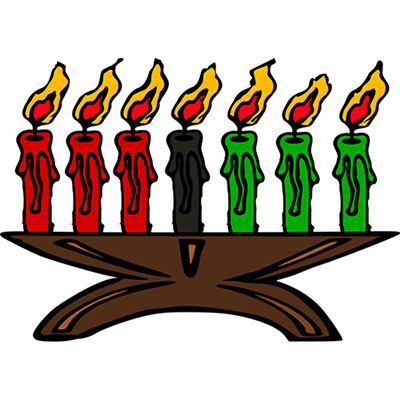
The name “Kwanzaa” itself is derived from the Swahili word “kwanza,” meaning “first,” symbolizing the first fruits of the harvest. Dr. Karenga intentionally used an extra “a” to give the name a more distinctive sound. The celebration incorporates symbols such as the kinara (candle holder), which holds seven candles representing each principle, and the mishumaa saba (the seven candles).
Created in 1966 by Dr. Maulana Karenga, a professor and activist, Kwanzaa was designed to celebrate African-American heritage and foster unity within the community. The holiday draws inspiration from African harvest festivals, blending cultural traditions with the values of self-determination, collective work, and responsibility. Unlike other holidays, Kwanzaa is not religious but rather a celebration of culture and values that are meant to uplift and strengthen the African-American community.
Each day of Kwanzaa is an opportunity to reflect on these principles, integrate them into daily life, and take action that contributes to the empowerment and upliftment of the community. While the holiday itself is centered on African-American culture, the principles of Kwanzaa can resonate with anyone who values unity, self-determination, and collective responsibility. Through its observance, Kwanzaa continues to encourage pride in heritage, the building of stronger communities, and a shared commitment to a better future.
A complete overview of each day of Kwanzaa is as follows…
- Day 1 — Umoja / Unity (Kwanzaa Umoja):
Umoja, which means “unity” in Swahili, is the first principle of Kwanzaa. This day emphasizes the importance of togetherness in family, community, and nation-building. It calls for individuals to strive for unity and work together toward common goals. On this day, families and communities reflect on their collective strength and solidarity. An example of practicing Umoja could include a family gathering to reaffirm their commitment to support one another or a community event where people unite to address local issues. It’s a day to build bonds and create a sense of shared purpose. - Day 2 — Kujichagulia / Self-Determination (Kwanzaa Kujichagulia):
Kujichagulia means “self-determination” and highlights the importance of defining oneself, making independent choices, and determining one’s future. This principle encourages people to take charge of their lives and create their own path. On this day, individuals and communities are encouraged to reflect on their identity, history, and the power they hold to shape their destiny. A practical example could be someone starting a new business that reflects their values or a community establishing programs that foster empowerment, such as mentoring or education initiatives. - Day 3 — Ujima / Collective Work and Responsibility (Kwanzaa Ujima):
Ujima, which translates to “collective work and responsibility,” promotes the idea that individuals should work together to solve problems and improve their community. This day emphasizes the need for mutual support and shared responsibility for the well-being of all. A community project that benefits everyone, like organizing a neighborhood cleanup or establishing a cooperative food program, is a perfect example of Ujima. It’s about taking care of each other and working toward the common good with a spirit of collaboration. - Day 4 — Ujamaa / Cooperative Economics (Kwanzaa Ujamaa):
Ujamaa, or “cooperative economics,” encourages people to build and maintain businesses, shops, and services that support the community and help it grow economically. This principle highlights the importance of self-sufficiency and collective economic power. On this day, families may reflect on how they can contribute to their community’s economic growth by supporting Black-owned businesses or by starting their own. For example, spending money at local businesses or investing in community development projects reflects Ujamaa in action, as it strengthens the economic foundation of the community. - Day 5 — Nia / Purpose (Kwanzaa Nia):
Nia, which means “purpose” in Swahili, focuses on the collective goal of building and developing a strong and sustainable community. On this day, individuals are encouraged to reflect on their personal and communal goals and contribute to the greater good of their people. Nia is about finding one’s purpose in life and committing to the betterment of the community. A practical example of Nia would be someone choosing to work in a field that directly benefits the community, such as healthcare, education, or social justice. It could also be about setting goals that reflect a commitment to collective empowerment and growth. - Day 6 — Kuumba / Creativity (Kwanzaa Kuumba):
Kuumba means “creativity” and celebrates the power of imagination and innovation. This principle encourages individuals to use their creativity to make their community and the world better, contributing to its beauty and progress. It recognizes the importance of art, expression, and invention in shaping a better future. On this day, families might create artwork together, showcase local artists, or encourage children to explore their creative potential. An example of Kuumba could be a community organizing an art exhibit that highlights African-American culture or a family creating a mural that represents their heritage. - Day 7 — Imani / Faith (Kwanzaa Imani):
The final day of Kwanzaa, Imani, means “faith” and encourages people to have faith in themselves, their families, their leaders, and their community. It emphasizes belief in the future, in the ability to overcome challenges, and in the values that sustain the community. On this day, families may gather to reflect on their shared faith in their potential and in the strength of their collective efforts. A family may also share stories of resilience, and communities might celebrate those who have made a significant impact, fostering hope for the future. An example of Imani could be organizing a celebration of community leaders who have demonstrated dedication and service to the advancement of others.