

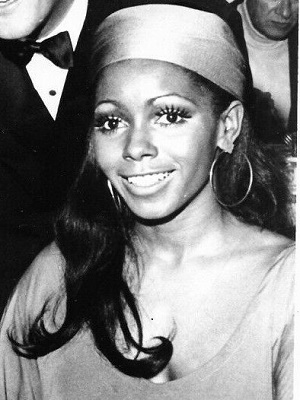
Judy Pace
June 15 …
Judy Pace was an actress whose work in television and film during the 1960s and 1970s helped expand opportunities for Black performers in mainstream entertainment and contributed to the broader cultural visibility of African American talent during a transformative period in American media history.
Born on June 15, 1942 in Los Angeles, Pace grew up in a city rapidly becoming the heart of the American entertainment industry. She attended school in the Los Angeles area and began pursuing acting as a young adult, entering the field when roles for Black women on television were both limited and often stereotyped.
Driven to establish a professional career, Pace started landing guest roles on various television series in the 1960s, a time when the civil rights movement was transforming public expectations regarding representation in media. Her early work showcased her determination and mirrored the evolving landscape of the entertainment industry, as producers gradually opened doors to more diverse talent.
Pace’s breakthrough role came in the daytime serial Peyton Place, making her the first Black actress to have a recurring role on a primetime American television drama. Her presence on the show marked a significant milestone for representation in television, proving that African American actors could engage in mainstream narratives rather than being relegated to narrowly defined roles.
Pace later appeared in a variety of popular television shows, including Ironside, Sanford and Son, The Mod Squad, and The Rockford Files, cultivating a career that encompassed drama, comedy, and crime series. During this time, she shared the television landscape with pioneering performers like Diahann Carroll, Nichelle Nichols, and Cicely Tyson, whose collective contributions reshaped the expectations for Black actresses on American screens.
Beyond her individual performances, Pace’s career mirrored the cultural shifts of the late 20th century as television gradually expanded its portrayal of American society. Her success in network productions helped illustrate to producers and audiences that diverse casting could thrive in mainstream entertainment.
Although Judy Pace maintained a relatively private personal life, her work has been recognized by television historians as part of the pioneering generation of African American performers who broke barriers and normalized inclusive casting practices. Consequently, Pace’s legacy remains intertwined with the broader transformation of American television during the civil rights era, when actors of her generation helped expand representation and opened the door for future performers to find greater opportunities across film and television.
