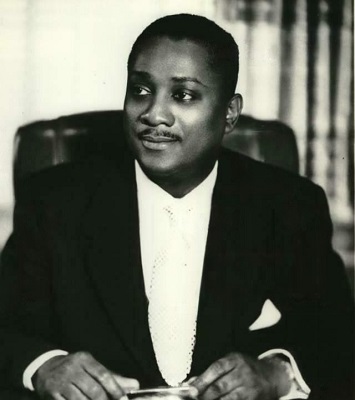
John H. Johnson


January 19 …
John H. Johnson was an American publishing powerhouse whose innovative vision reshaped how African Americans were portrayed in media and transformed American business, culture, and history.
Born on January 19, 1918 in Arkansas City, AR and raised in Chicago during his teenage years, Johnson turned his initial experiences as the managing editor of his high school newspaper and the business manager of the yearbook into a remarkable career in journalism and entrepreneurship. These formative roles inspired his vision of creating media that showcased the achievements and aspirations of African Americans, challenging existing stereotypes.
In 1942, with a modest loan of $500 backed by his mother’s furniture, Johnson launched Negro Digest, a publication that brought political essays, poetry, and short stories from Black writers into the spotlight. This early venture quickly grew, leading to his next endeavor, Ebony magazine, which debuted in 1945 and saw its initial print run of 25,000 copies sell out.
What set Ebony apart was its intentional celebration of African American life, featuring stunning photography and stories of business leaders, entertainers, and everyday achievers that contradicted the frequently negative portrayals found in mainstream media of that time.
Building on this success, Johnson introduced Jet in 1951, a weekly news digest aimed at providing timely coverage of cultural, political, and social issues to a wide Black audience. Jet became a historical chronicle of the civil rights movement, drawing national attention to significant events such as the lynching of Emmett Till and the initiatives led by Martin Luther King Jr. Through these publications, Johnson not only offered African American readers representation, but also highlighted narratives shaped by their own experiences and voices.
Johnson’s influence extended well beyond magazine publishing. He transformed the Johnson Publishing Company into a diversified enterprise, branching into book publishing, cosmetics with Fashion Fair, and the Ebony Fashion Fair — a touring show that showcased Black models and designers, while raising millions for scholarships.
By educating mainstream advertisers about the economic influence of Black consumers and promoting Black professionals in publishing and advertising, Johnson played a vital role in reshaping American advertising practices and creating opportunities for countless Black creatives and executives. One of those creatives was Cecil J. Williams, who provided countless photographs of life in America, including several about the Orangeburg Massacre.
Throughout his career, Johnson drew mentorship and insights from figures across media and civil rights. Despite early advice from civil rights leader Roy Wilkins about the difficulties of publishing, Johnson persevered, ultimately establishing one of the largest African American-owned business empires in the United States. His accomplishments earned him some of the nation’s highest honors, including the Presidential Medal of Freedom in 1996, the Spingarn Medal, numerous honorary degrees, and recognition on the Forbes 400 list as one of the wealthiest Americans — a groundbreaking achievement for African American entrepreneurs.
Johnson’s legacy is deeply embedded in American history. His publications documented cultural shifts and social movements, enhanced representation in media, and opened avenues for Black voices in industries that had long excluded them.
By narrating stories that celebrated dignity, achievement, and resilience, John H. Johnson not only built a global business, but also redefined the cultural narrative of the 20th century, influencing how future generations perceive Black excellence.