September 15 …
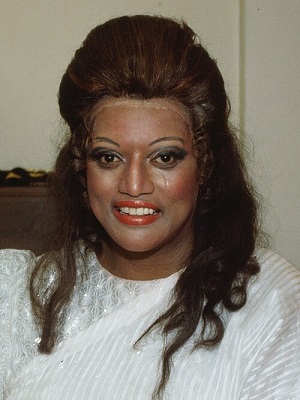
Jessye Norman was an American operatic soprano whose commanding voice, artistic breadth, and dignified presence made her one of the most celebrated figures in classical music and a powerful cultural ambassador whose influence transcended opera into the wider worlds of music, performance, and society.
Born on September 15, 1945 in Augusta, GA, Norman was raised in a musical family, with her mother and grandmother playing piano and her father singing in church. That kindled her early passion for music and set the stage for her remarkable international career.
Norman’s educational journey was instrumental in shaping her artistic achievements. She attended Howard University, continued her studies at the Peabody Conservatory, and obtained a master’s degree from the University of Michigan where she trained under renowned teachers who honed her extraordinary voice and technique.
After winning the ARD International Music Competition in Munich in 1968, Norman made her professional operatic debut in Berlin. She quickly earned recognition for her rich dramatic soprano, capable of conveying authority, emotion, and nuance across a vast repertoire.
As a performer, Norman defied easy categorization, taking on operatic roles that ranged from Wagner’s heroic characters to Berlioz’s dramatic heroines, while also excelling in lieder, oratorio, recitals, and concert performances. This versatility endeared her to both audiences and critics alike.
She graced the stages of major opera houses, including the Metropolitan Opera, where her 1983 portrayal of Cassandre in Les Troyens represented a significant milestone. Sharing the stage with contemporaries like Kathleen Battle and other acclaimed artists, she contributed to defining classical music in the late 20th century. Critics praised her voice for its vast range and expressive power, infusing works by composers such as Beethoven, Strauss, and Mahler with profound depth.
Norman’s contributions were met with numerous awards and honors, celebrating both her artistic mastery and cultural impact. She received multiple Grammy Awards, including a Grammy Lifetime Achievement Award, was honored with the Kennedy Center Honors at a remarkably young age, and was awarded the National Medal of Arts, along with international distinctions such as France’s Légion d’honneur.
She performed at high-profile events, including presidential inaugurations and global celebrations. This helped to bring classical music to broader audiences around the world.
Beyond her performances, Norman was passionately dedicated to education, community engagement, and artistic outreach. She founded her namesake School of the Arts in her hometown to provide free arts training for young students and served on various boards supporting arts, health, and social services. Her innovative projects that blended opera with jazz, spirituals, and other musical forms inspired future generations, affirming her belief in the universality of music and its power to uplift and unite people across cultures.
Norman’s legacy lives on not only through her recordings and performances, but also in the pathways she forged for artists of all backgrounds in the classical realm.
The life’s work of Jessye Norman exemplifies the transformative potential of artistry supported by courage and conviction, ensuring her voice resonates in the cultural memory of American music and beyond.