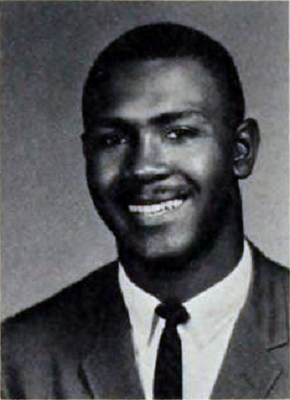
Harvey Gantt


January 14 …
Harvey Gantt is a pioneering figure in American civic life whose career bridged architecture, public service, and civil rights, leaving a lasting imprint on urban development and political history in the United States.
Born on January 14, 1943 in Charleston, SC, Gantt was raised in the segregated South during the zenith of Jim Crow, an environment that profoundly influenced his perspective on inequality and opportunity. He attended Iowa State University, where he became the first African American student to enroll in the architecture program.
Gantt gained national attention when, in 1963, he transferred from Iowa State and became the first Black student admitted to Clemson University. His entry into Clemson marked a pivotal moment in the desegregation of higher education in the American South. He ultimately earned an architecture degree with honors.
Gantt continued his education at the Massachusetts Institute of Technology, obtaining a Master of City Planning, where he learned from influential urban planning scholars and built a solid foundation in design and public policy. Early in his intellectual journey, he was inspired by civil rights leaders such as Martin Luther King Jr., whose philosophy of integration and nonviolent activism left a lasting impact on Gantt’s outlook.
Gantt’s professional journey began in architecture, where he co-founded Gantt Huberman Architects in Charlotte, NC. His contributions significantly shaped the urban landscape of Charlotte and other Southern cities during a time of rapid modernization and desegregation.
Shifting into the political arena, Gantt was elected mayor of Charlotte in 1983, making history as the city’s first African American mayor. Throughout his two terms, he prioritized urban development, transportation planning, and the enhancement of race relations within a swiftly evolving metropolitan area.
In the political realm, Gantt emerged as a prominent figure alongside contemporaries like Jesse Jackson and other leaders from the post-civil rights generation. His U.S. Senate campaigns in 1990 and 1996 against Jesse Helms became landmark battles that underscored significant ideological rifts in both Southern and national politics. Although he did not secure a Senate seat, his campaigns were pivotal in mobilizing voters, reshaping the Democratic strategy in the South, and advancing critical discussions surrounding race, education, and economic equity.
Harvey Gantt has dedicated himself to mentoring younger civic leaders and architects, advocating for public service as a means of fostering community transformation.