

January 1 …
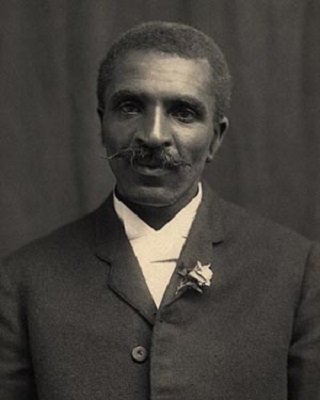
George Washington Carver rose from the bondage of slavery to become one of the most admired scientists, educators, and humanitarian figures in American history.
Carver was believed to have been born into slavery in January 1864 in Diamond, MO. Orphaned shortly after birth and raised by his former enslavers, he was a sickly child who, due to his health and race, was often excluded from manual labor. Instead, he developed a deep connection to nature, spending hours studying plants, soils, and insects. This curiosity laid the foundation for a lifetime of groundbreaking work in agriculture and industry.
Denied access to education as a Black child in post-Civil War America, Carver pursued learning with fierce determination, traveling across the Midwest in search of schools that would accept him. He was eventually admitted to Simpson College in Iowa, where he initially studied art before transferring to Iowa State Agricultural College (now Iowa State University) to study agricultural science. There, he became the first Black student and later the first Black faculty member, gaining recognition for his skill in botany and agricultural research.
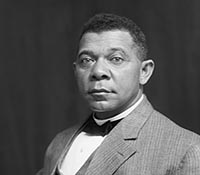
Carver’s most influential work came during his long tenure at Tuskegee Institute — now Tuskegee University — in Alabama, where he was invited by Booker T. Washington in 1896. At Tuskegee, Carver focused on helping Southern Black farmers who were trapped in poverty and depleted soil conditions due to decades of cotton monoculture. He advocated for crop rotation and introduced alternatives like peanuts, sweet potatoes, and soybeans, which restored nitrogen to the soil and offered new sources of food and income. His practical, accessible farming techniques empowered thousands of farmers to become more self-sufficient and prosperous.
Carver is perhaps most famously associated with peanuts, though he did not invent peanut butter. He developed over 300 products derived from peanuts, including dyes, paints, plastics, and cosmetics, as well as more than 100 products from sweet potatoes. His work demonstrated how common crops could be transformed into valuable goods, helping to diversify the Southern economy and reduce its reliance on cotton. His innovations in crop-based industrial materials also placed him at the forefront of early sustainable agriculture and bio-based product development.
Despite his scientific achievements, Carver remained modest and uninterested in personal wealth. He often declined lucrative offers from corporations, preferring instead to dedicate his work to public service, education, and racial uplift. He believed that science should serve humanity and that knowledge should be used to improve the lives of the disadvantaged. Carver also served as an unofficial ambassador of goodwill, meeting with U.S. presidents and world leaders, and promoting interracial cooperation and environmental stewardship.
Carver’s cultural impact was profound. At a time when African Americans were systematically marginalized, he became one of the most respected Black figures in the world. His story of perseverance, intellect, and humility inspired both Black and white Americans during a deeply segregated era. He defied racist assumptions about Black intellectual capacity and became a living symbol of what could be achieved through education, integrity, and dedication to community service.
When George Washington Carver died on January 5, 1943, he left behind not only a wealth of scientific contributions but also a powerful legacy of service, compassion, and innovation. He transformed agriculture in the South, promoted sustainable farming practices, and opened doors for generations of Black scientists and educators.
Today, his name is synonymous with resilience and creative genius, and his life remains a testament to the transformative power of knowledge and empathy in shaping a more just and fruitful society.