Frederick Douglass



February 14 …
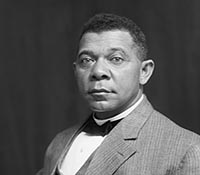
Frederick Douglass, born Frederick Augustus Washington Bailey, on February 14, 1818 was an American social reformer, abolitionist, orator, writer, and statesman. He became the most important leader of the movement for African-American civil rights in the 19th century.
Born into slavery in Maryland, Douglass escaped in 1838 and made his way to New Bedford, MA, where he lived and worked. He later became a licensed preacher in the African Methodist Episcopal Zion church, a Black denomination, in 1839, which helped him to hone his oratorical skills.
Engaging in various abolitionist organizations, he became notable for great oratorical skills, traveling throughout the North as a lecturer for the Massachusetts Anti-Slavery Society. Douglass published his autobiography, Narrative of the Life of Frederick Douglass, An American Slave in 1845 which became a best seller. And his antislavery publication, “the North Star,” founded in 1847 was read widely by the African American community.
In addition to abolitionism, Douglass also advocated for the equal rights for women and labor reforms.
The final memoirs of Douglass — Life and Times of Frederick Douglass — appeared in 1881.
During the Civil War, Douglass advocated with President Lincoln for the recruitment of Black soldiers into the Union Army. During Reconstruction (1865-1877) he edited the New National Era, a newspaper calling for social justice, and urging for the extension of voting rights to the emancipated.
After the war, Frederick Douglass served in several federal government positions after the war, including marshal of the District of Columbia from 1877 to 1886, and minister to the Republic of Haiti from 1889 to 1891.